
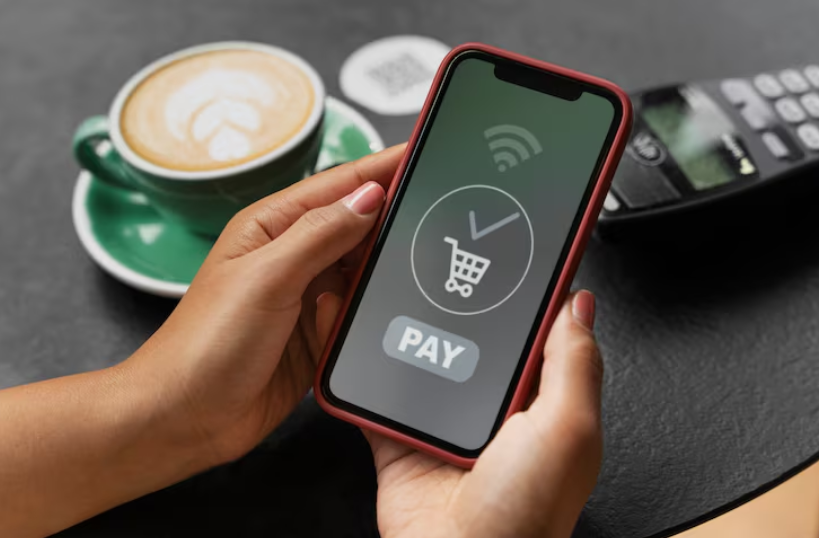
Have you ever left a payment halfway because the page was slow, confusing, or failed again and again?
Most users do the same. In fintech platforms, payment experience directly affects customer trust, transaction success, and long-term growth. A smooth payment process is no longer just a technical feature. It has become an important part of user experience and business performance.
Payment gateway optimization helps fintech platforms improve payment speed, reduce transaction failures, strengthen security, and create a better checkout experience. From digital wallets and lending apps to investment and subscription platforms, every fintech business needs a reliable payment system that works smoothly across devices and payment methods. For businesses considering flexible financing options, comparing B2B BNPL companies can also help identify solutions that support smoother payment experiences and cash flow.
In this guide, we will look at practical and easy-to-understand payment gateway optimization strategies that help fintech platforms improve performance while keeping users satisfied.
Why Payment Gateway Optimization Matters for Fintech Platforms
A payment gateway is the bridge between users, banks, and merchants. If this bridge is slow or unstable, users may lose confidence in the platform. That is why payment gateway optimization plays a major role in modern fintech operations.
Better User Experience
Users expect payments to happen quickly. A simple and fast payment flow improves customer satisfaction and encourages repeat transactions.
Higher Payment Success Rates
Optimized payment systems reduce failed transactions caused by technical issues, slow processing, or routing problems.
Improved Security and Trust
Secure payment systems help users feel safe while sharing financial details online. This improves trust and strengthens platform credibility.
Stronger Business Performance
Smooth payments support better customer retention, lower abandonment rates, and more stable transaction processing.
1. Simplify the Payment Flow
A complicated checkout process often causes users to leave before completing the payment. Fintech platforms should focus on making the process as simple as possible.
Reduce Unnecessary Steps
Ask only for essential information during checkout. Long forms and repeated data entry can frustrate users.
A simple payment process should include:
- Clear payment amount
- Easy payment method selection
- Fast confirmation process
- Quick retry option if payment fails
Use Clear Instructions
Users should understand every step without confusion. Use simple labels like:
- Pay Now
- Confirm Payment
- Retry Payment
- Back to Checkout
2. Improve Payment Processing Speed
Payment speed directly affects user satisfaction. Slow payment pages often increase drop-offs, especially on mobile devices.
Optimize Backend Systems
Fintech platforms should use stable APIs and scalable infrastructure to process transactions quickly during peak traffic.
Keep the Payment Interface Lightweight
Avoid heavy designs, unnecessary animations, or scripts that slow down the payment page.
Important areas to optimize include:
|
Optimization Area |
Benefit |
|
Fast-loading APIs |
Faster transaction processing |
|
Lightweight UI |
Better mobile performance |
|
Server optimization |
Reduced downtime |
|
Caching systems |
Faster response time |
3. Offer Multiple Payment Methods
Users prefer different payment options depending on convenience, region, and transaction type. Offering multiple methods increases payment completion rates.
Support Popular Digital Payment Options
Fintech platforms should support commonly used payment methods such as:
- Credit and debit cards
- UPI payments
- Digital wallets
- Net banking
- Auto-debit systems
Prioritize Frequently Used Options
Display the most popular payment methods first instead of overwhelming users with too many choices.
This improves usability and speeds up the checkout process.
4. Use Smart Payment Routing
Smart payment routing helps fintech platforms send transactions through the best available route for higher success rates.
Improve Transaction Reliability
If one payment provider faces downtime, the system can automatically redirect transactions through another available route.
Monitor Gateway Performance
Track important metrics regularly, such as:
- Payment success rate
- Transaction processing time
- Downtime frequency
- Refund speed
- Provider performance
This helps teams identify bottlenecks and improve payment reliability.
5. Optimize Mobile Payment Experience
Mobile payments continue to grow rapidly, especially in digital-first markets. Fintech platforms must focus heavily on mobile usability.
Design Mobile-Friendly Checkout Pages
Payment forms should fit properly on smaller screens and remain easy to use.
Best practices include:
- Large tap-friendly buttons
- Clean layouts
- Fast page loading
- Minimal typing requirements
Enable Faster Mobile Checkout
Features like saved payment preferences and autofill options can improve convenience when used securely.
This is why proper planning during payment app development becomes important, because the payment experience should match real user behavior and mobile usage patterns.
6. Strengthen Payment Security
Security is one of the biggest priorities in fintech payment systems. Users want assurance that their financial data is protected.
Use Secure Authentication Methods
Strong authentication methods help reduce unauthorized access and fraud.
Common methods include:
- OTP verification
- PIN authentication
- Biometric verification
- Two-factor authentication
Protect Sensitive Payment Data
Payment information should be encrypted and securely stored using trusted security standards.
Security-focused optimization helps fintech platforms build long-term customer trust.
7. Improve Failed Payment Recovery
Failed transactions are common, but the way a platform handles them makes a big difference.
Show Clear Error Messages
Instead of generic errors, provide simple explanations such as:
- Network issue detected
- Incorrect payment details
- Bank server unavailable
- Payment timed out
This helps users understand what went wrong.
Add Quick Retry Features
Allow users to retry payments without entering all details again. This improves transaction recovery and reduces frustration.
8. Use Real-Time Payment Monitoring
Real-time monitoring helps fintech teams quickly detect and resolve transaction issues.
Track Transactions Continuously
Monitoring systems should identify:
- Failed transactions
- Slow processing
- Suspicious activities
- Delayed settlements
Early detection prevents larger operational problems.
Build Easy-to-Read Dashboards
A good payment dashboard should display:
|
Key Metric |
Purpose |
|
Total transactions |
Overall payment activity |
|
Success rate |
Payment performance |
|
Failed payments |
Error tracking |
|
Refund status |
Customer support visibility |
|
Provider uptime |
Infrastructure reliability |
9. Automate Reconciliation and Refund Management
As transaction volumes grow, manual reconciliation becomes difficult and time-consuming.
Simplify Payment Reconciliation
Automation helps match payments, settlements, and refunds accurately while reducing manual errors.
Improve Refund Transparency
Users appreciate clear refund timelines and status updates. Transparent refund management improves trust and reduces support requests.
This is especially useful for:
- Subscription platforms
- Lending apps
- Digital wallets
- Investment platforms
- Marketplace payment systems
10. Continuously Test and Optimize the Payment System
Payment gateway optimization is an ongoing process. Fintech platforms should regularly test and improve payment performance.
Conduct Regular Testing
Important testing areas include:
Regular testing helps identify hidden performance issues before they affect users.
Analyze User Behavior
Study user activity to understand where customers face friction during payments.
Key insights may include:
- Drop-off points
- Frequently failing payment methods
- Device-specific issues
- Slow-loading screens
Best Practices for Long-Term Payment Gateway Optimization
Fintech platforms should focus on long-term payment stability rather than short-term fixes.
Focus on Scalability
Payment systems should handle growing transaction volumes without affecting performance.
Prioritize User Trust
Clear communication, reliable processing, and secure payments improve customer confidence.
Keep Monitoring Industry Changes
Digital payment systems continue to evolve. Regular updates help platforms stay efficient and user-friendly.
Conclusion
Payment gateway optimization is an important part of building reliable fintech platforms. A smooth payment experience improves customer satisfaction, strengthens trust, and supports long-term business growth.
From smart payment routing and mobile optimization to security improvements and real-time monitoring, every strategy plays a role in creating a better payment system.
Fintech businesses that regularly optimize their payment infrastructure can improve transaction success rates, reduce operational issues, and deliver a more seamless user experience across digital platforms.