
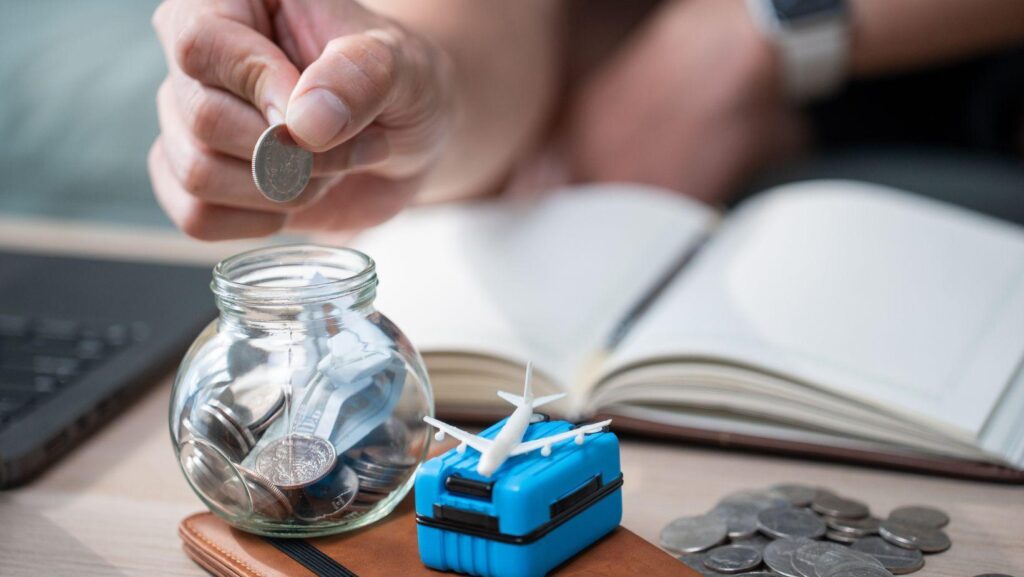
Even in this digital age, business owners have found that in order to scale, they need to travel quite often. Whether you are meeting with suppliers, networking with potential clients, or looking for new distributors, the chances are high that you will need to leave your office and meet people in-person. And we all know what that means – travel expenses. Over time, these can add up so much that they can start eating into your profits to the extent of stalling your business growth.
So, how do you keep expenses in check without sacrificing the opportunities available to you?
The Importance of Managing Travel Expenses
While some people believe that to make money you have to spend money, the truth is that top entrepreneurs know better than this. They believe that to make money, you have to limit your expenses through preventative approaches.
And you see this everywhere. Hotels hire skilled staff who can serve multiple roles for one salary. Airlines lean on companies like Magnetic Enginestands for aircraft engine covering services that protect their engines and lower their replacement costs. Food companies make their products in batches to lower their operational costs. And the list goes on.
In the same way, you, too, have to reduce your overall expenses. And starting with travel is a good idea. Why?
For one, when you travel, you do not just spend money on plane tickets. Your costs also extend to hotel stays, restaurant dinners, tips, and other expenses; this is money that you can easily inject into your business to increase your profits. Secondly, investors care about how you spend your money. If they look at your books and realize that a huge chunk of your budget goes into travel costs, they may not think that you are making financially sound decisions, and this could make them hesitant to work with you. And finally, how you travel spills over to the rest of the organisation. So, if you model a culture of spending freely while travelling, the rest of your team will follow suit, which could hurt you in the future.
How Can You Stay on Top of Travel Costs?
While we are not saying you have to cut travel to save money, there are some measures you can put in place to have your cake and eat it. They are as follows:
With these strategies in place, you can avoid costly trips while still moving your business in the right direction.