
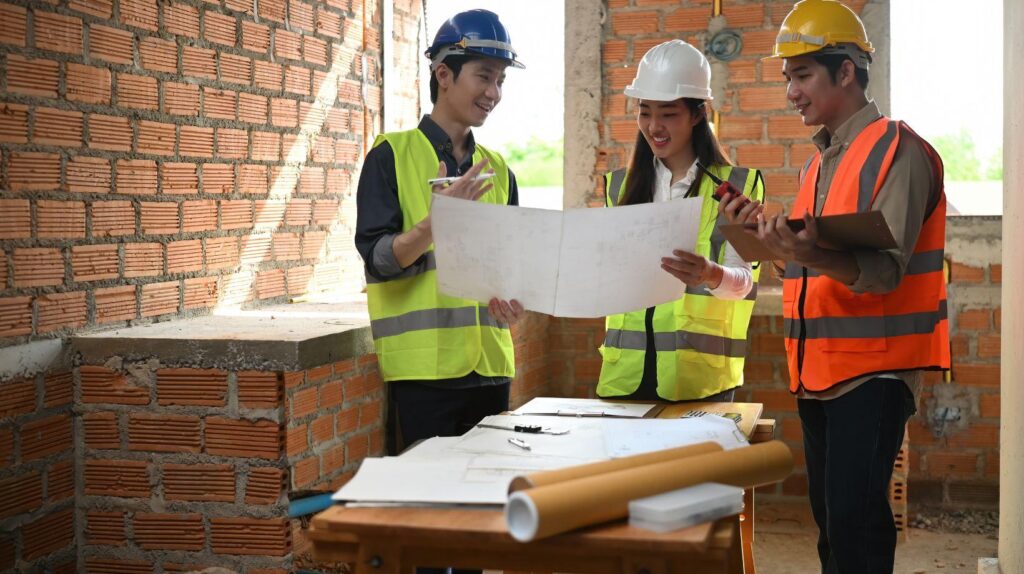
How many construction projects have you seen derail in the final weeks because of preventable inefficiencies? The average commercial construction project runs 20% over budget, and schedule overruns cost the industry billions annually. Whether you're managing a small residential build or overseeing a major commercial development, improving efficiency can make the difference between profit and loss. Here are seven practical strategies that successful construction teams use to streamline their operations and boost productivity.
Implement Digital Project Management Tools
Paper-based systems and scattered communication channels create bottlenecks that slow down construction projects. Modern project management software centralizes schedules, blueprints, change orders, and daily reports in one accessible location.
Tools like Procore, Buildertrend, and PlanGrid allow field teams to access updated drawings instantly on their tablets or smartphones. When a change order gets approved, everyone sees it immediately instead of waiting for paper copies to circulate. Real-time updates prevent costly mistakes from outdated plans.
Digital tools also improve communication between the office and field teams. Superintendents can upload photos of completed work, submit RFIs (requests for information), and track punch list items without making phone calls or sending emails back and forth. Less admin time means more hours on site.
Optimize Material Procurement and Inventory Management
Material delays can halt entire projects and send crews to other job sites, disrupting carefully planned schedules. Smart contractors establish relationships with multiple suppliers and order materials well in advance of when they're needed.
Creating a detailed material schedule based on your project timeline helps you anticipate needs and avoid last-minute orders. Track delivery dates closely and maintain buffer stock for critical items that have long lead times.
Consider designating one person as the material coordinator who monitors inventory levels and coordinates deliveries.
Just-in-time delivery can reduce on-site storage needs, but it requires precise coordination. Balance this approach with having essential materials readily available so crews never stand idle waiting for supplies.
Regular inventory checks prevent ordering duplicate materials and help identify theft or waste early.
Standardize Processes and Procedures
Every construction company develops its own way of doing things, but without standardization, quality and speed vary dramatically between crews. Document your best practices for common tasks and train all team members to follow these procedures consistently.
Create checklists for routine inspections, safety protocols, and quality control measures. When everyone follows the same steps, you reduce errors and rework. For instance, standardize your concrete pour checklist to include specific steps for weather assessment, rebar inspection, and truck scheduling. New employees get up to speed faster when they have clear guidelines instead of learning different methods from different supervisors.
Standard operating procedures also make it easier to identify inefficiencies. When you have a baseline process, you can measure performance and spot areas for improvement. Review and update your standards regularly based on lessons learned from completed projects.
Invest in Workforce Training and Development
Skilled workers complete tasks faster and with fewer mistakes than inexperienced crews. While training requires upfront investment, it pays dividends through improved productivity and reduced rework costs.
Cross-training employees to handle multiple roles creates flexibility when unexpected absences occur or project needs shift. A carpenter who understands basic electrical work can coordinate better with electricians and spot potential conflicts early. This broader knowledge base improves overall team efficiency.
Safety training is critical because accidents bring projects to a complete stop. Well-trained crews recognize hazards and follow protocols that prevent injuries. The time spent on safety training is minimal compared to the delays caused by workplace accidents, not to mention the human cost.
Enhance Communication Across All Stakeholders
Miscommunication causes more project delays than almost any other factor. Establish clear communication channels and regular check-in schedules with all stakeholders, including owners, architects, engineers, subcontractors, and suppliers.
Weekly coordination meetings keep everyone aligned on priorities and upcoming milestones. These don't need to be long, formal affairs. A focused 30-minute meeting where each trade discusses their current work and next-week plans prevents conflicts and ensures proper sequencing.
For larger projects, consider daily huddles with key personnel to address immediate issues before they escalate. Quick morning meetings help crews start the day knowing exactly what needs to be accomplished and what resources are available. Regular performance reviews help identify what's working and what isn't, much like how businesses use email campaign audits to track and improve their marketing metrics over time.
Leverage Prefabrication and Modular Construction
Building components off-site in controlled environments speeds up installation and improves quality. Prefabricated wall panels, bathroom pods, mechanical rooms, and structural elements arrive on site ready for quick assembly.
Weather doesn't delay prefabrication work happening in a factory setting. While site preparation continues, building components are manufactured simultaneously, compressing the overall project timeline. This parallel processing approach dramatically reduces construction duration.
Quality control is easier in a factory than on a busy job site. Fabrication shops can handle complex custom work that job sites can't accommodate. For example, when projects require custom metal brackets, specialized railings, or precise cylindrical components for mechanical systems, specialized equipment like a manual lathe machine from Summit can create these pieces with precision that would be difficult to achieve in the field. Prefabrication also reduces material waste since factory settings allow for more accurate cutting and better scrap management.
Schedule Smart with Realistic Timelines
Overly optimistic schedules set projects up for failure from the start. Create realistic timelines that account for potential delays, weather impacts, and inspection periods.
Building in buffer time for critical path activities prevents the entire project from derailing when inevitable issues arise.
Use historical data from previous projects to estimate task durations more accurately. Track how long specific activities actually take versus initial estimates.
This information helps you develop better schedules over time and identify which tasks consistently take longer than planned.
Look-ahead scheduling keeps the next two to four weeks planned in detail while maintaining a higher-level view of the overall timeline. This approach allows flexibility to adjust for changes while ensuring materials, equipment, and labor are ready when they're needed.
Update schedules weekly based on actual progress and communicate changes immediately to affected parties.
Putting These Strategies to Work
Improving construction efficiency requires commitment across the entire organization. Start by implementing one or two strategies where you see the biggest opportunity for impact, then expand as those improvements become embedded in your operations.
Track metrics like labor productivity, rework percentages, schedule variance, and safety incidents to measure improvement over time. These numbers provide objective feedback on whether your efficiency initiatives are working.
Remember that efficiency isn't just about speed. It's about completing quality work safely, on schedule, and within budget. The most efficient construction companies balance productivity with craftsmanship, creating projects that meet client expectations while maintaining healthy profit margins. Here's the reality: your competitors are already implementing these strategies. The question isn't whether you can afford to improve efficiency, it's whether you can afford not to. By focusing on these seven areas, you'll build a stronger, more competitive construction operation that consistently delivers successful projects while others struggle with the same old problems.