

In any technology-driven enterprise, the pursuit of operational efficiency is constant. Business leaders invest heavily in optimizing supply chains, sales funnels, and customer service protocols. Yet, a critical component is often overlooked: the management of physical assets. A reactive approach to maintenance—fixing equipment only when it breaks—can lead to unpredictable downtime, inflated repair costs, and significant disruptions that undermine competitive advantage.
Transitioning from a reactive to a proactive model is fundamental for sustainable growth. This strategic shift is powered by modern technology designed to anticipate needs, organize resources, and provide actionable data for better decision-making.
Understanding The Shift From Reactive To Proactive Operations
The foundation of a proactive maintenance strategy is the ability to track, manage, and analyze every aspect of an organization’s physical assets. A Computerized Maintenance Management System (CMMS) is a software platform that centralizes maintenance information, facilitating the automation and simplification of processes. Instead of relying on spreadsheets and manual tracking, a CMMS provides a single source of truth for work orders, asset history, and spare parts inventory.
This digital transformation allows businesses to move beyond emergency repairs and implement preventive maintenance schedules. By servicing equipment based on usage or time, organizations can address potential issues before they escalate into costly failures, thereby streamlining business operations and ensuring greater predictability.
The Tangible Benefits Of A Centralized Maintenance Strategy
Adopting a centralized maintenance strategy delivers significant returns by reducing unexpected equipment failures and extending the lifespan of valuable assets. When maintenance is scheduled and planned, it minimizes disruptions to core business activities, leading to more consistent output and service delivery. This structured approach also enables more efficient allocation of technical staff and better management of spare parts inventory, cutting down on waste and carrying costs.
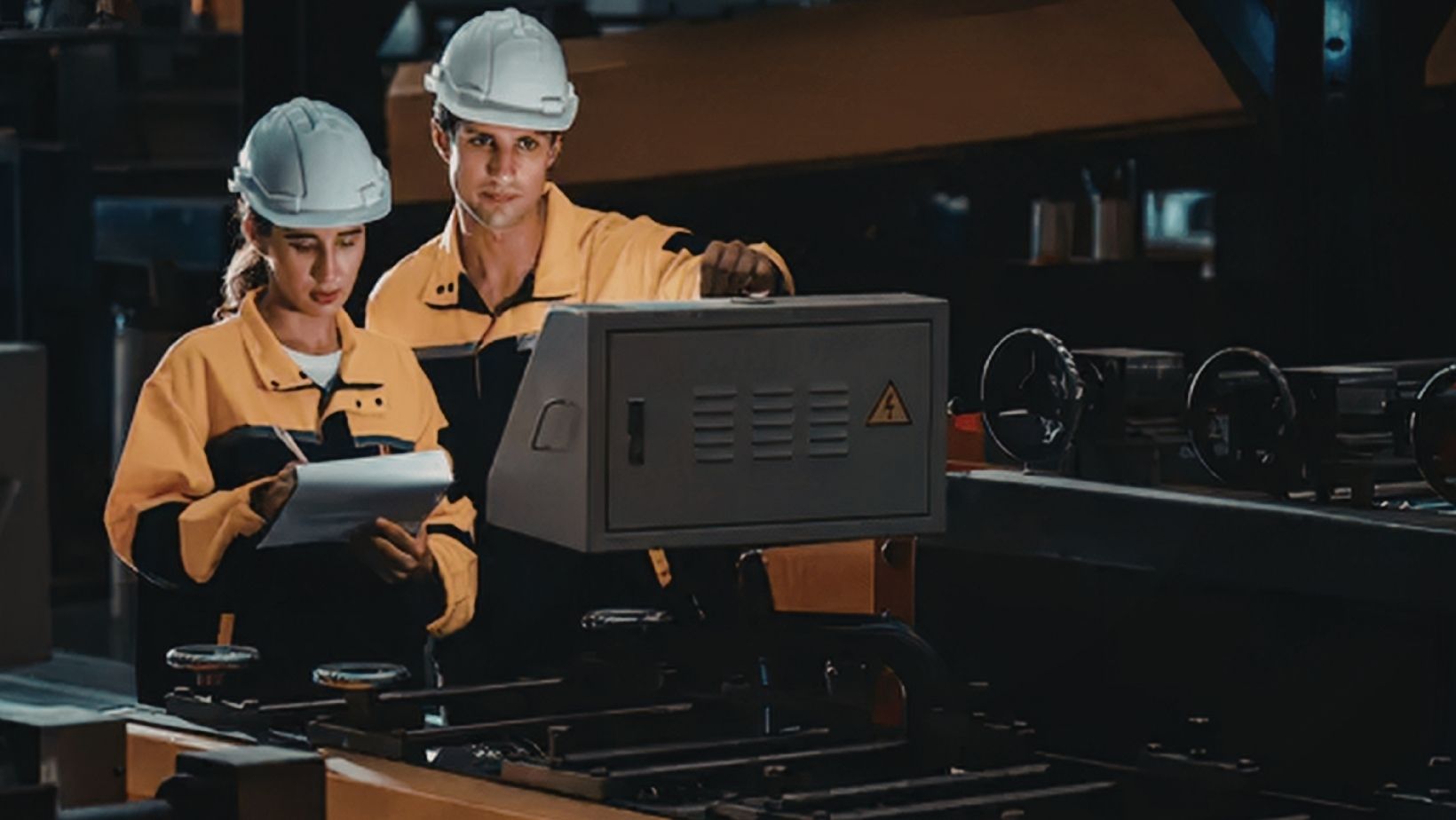
The implementation of dedicated cmms software provides a framework for capturing critical operational data, unlocking a range of benefits that directly impact the bottom line.
- Improved equipment reliability: Proactive servicing reduces the frequency and severity of breakdowns, maximizing uptime.
- Enhanced workplace safety and compliance: Regular inspections and a complete audit trail help ensure that assets meet regulatory standards.
- Data-driven decision-making for capital planning: Historical performance data helps justify repair-versus-replace decisions.
- More accurate budget forecasting: Planned maintenance activities allow for more precise financial planning compared to the volatility of emergency repairs.
Essential Features Of Modern Maintenance Platforms
When evaluating potential systems, it is important to look beyond basic work order management. Today’s leading platforms offer a suite of features designed for a mobile and data-centric workforce. Mobile access is a primary requirement, allowing technicians to receive assignments, access asset histories, and update work orders directly from the field. This capability dramatically improves accuracy and reduces administrative delays.
Furthermore, strong analytics and reporting functions are vital. The ability to generate reports on asset downtime, maintenance costs, and team performance transforms raw data into strategic insights. When searching for the maintenance management software, businesses should prioritize solutions that offer robust integration capabilities to connect with other enterprise systems like ERP or inventory management platforms.
Integrating Maintenance Data Into Broader Business Intelligence
Perhaps the most significant advantage of a modern CMMS is its ability to elevate maintenance data into a key component of overall business intelligence. The insights gathered from the system can inform strategic decisions far beyond the maintenance department. For example, consistent data on the high cost of maintaining an aging asset can provide a clear financial justification for capital investment in a replacement.
By analyzing trends in equipment failure, businesses can also identify systemic issues in their operations or supply chain. This flow of information ensures that decisions at the executive level are grounded in a complete and accurate understanding of the organization’s operational health.
Future-Proofing Your Operations With Smart Technology
In today’s competitive environment, operational resilience is a key differentiator. Implementing a comprehensive maintenance management system is not merely an IT upgrade; it is a strategic investment in the long-term stability and efficiency of your entire operation. By harnessing technology to manage physical assets proactively, founders and business leaders can protect their investments, control costs, and build a more robust foundation for future growth. Assessing your current maintenance processes is the first step toward unlocking this potential.