
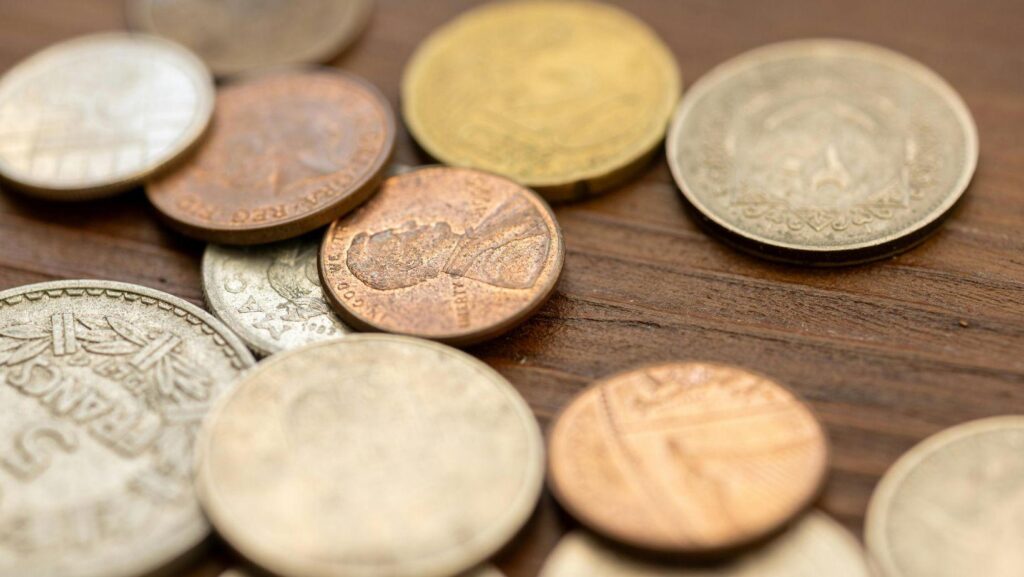
Some coins are remembered for their rarity, while others earn recognition because they represent a pivotal moment in history. These pieces serve as more than currency, offering a glimpse into changing economic priorities, cultural shifts, and important milestones that shaped the future.
Collectors are often drawn to coins that bridge different eras. A single issue can capture the final years of one tradition while hinting at what comes next. That unique position gives certain coins a significance that extends beyond their metal content or design details.
The 1921 Circulated American Silver Morgan Dollar occupies exactly that kind of place in numismatic history. It stands at the intersection of two important periods, making it one of the most fascinating transition-year coins ever produced by the United States Mint.
The Rise of the Morgan Dollar
The Morgan Dollar first entered circulation in 1878 and quickly became one of the most recognizable coins in American history. Designed by George T. Morgan, the coin featured a distinctive portrait of Liberty on the front and a powerful eagle on the reverse. Its appearance helped establish a visual identity that endured for decades.
The coin was created during a period when silver played a major role in the American monetary system. Large silver dollars were used in commerce, banking, and government transactions, making them an important part of everyday economic activity throughout much of the country.
Over time, the Morgan Dollar became more than a circulating coin. Its distinctive design, connection to the American West, and long production run helped transform it into a symbol of a rapidly growing nation. Today, it remains one of the most collected coin series in the United States.
Why 1921 Was Different
The year 1921 occupies a special place within the Morgan Dollar series. Production had been suspended for years, but legislation requiring additional silver dollar coinage led the Mint to revive the design for one final run. This unexpected return gave the series a unique closing chapter.
Although the familiar design remained largely unchanged, the coins struck in 1921 were produced under different circumstances than earlier issues. Advances in minting technology and changing economic conditions created a distinct backdrop for the coin's final appearance.
Because of these factors, the 1921 issue stands apart from many other Morgan Dollars. It represents both continuity and change, preserving a beloved design while reflecting a monetary system that was beginning to move in a new direction.
The End of an Era
Following the 1921 production year, the Morgan Dollar series came to an end. After more than four decades, the coin that had become synonymous with American silver dollar coinage was finally retired. Its departure marked the close of an important chapter in U.S. monetary history.
Economic priorities had shifted significantly since the late nineteenth century. The nation was entering a new period shaped by changing financial needs, evolving public sentiment, and a desire to reflect contemporary events through its coinage.
For collectors and historians, the conclusion of the Morgan Dollar series carries special significance. It represents the end of a design that witnessed dramatic changes in American society, from westward expansion to industrial growth and the emergence of the United States as a global power.
The Beginning of Something New
As the Morgan Dollar series concluded, a new silver dollar emerged to take its place. The Peace Dollar was introduced to commemorate the conclusion of World War I and reflect hopes for a more peaceful future. Its arrival marked a dramatic shift in both symbolism and design philosophy.
While the Morgan Dollar looked back to the traditions of the nineteenth century, the Peace Dollar embraced the optimism of a new era. The change reflected broader cultural and historical developments occurring throughout the country at the time.
This transition makes 1921 particularly important. It served as the bridge between two iconic coin series, connecting the closing years of one chapter with the opening pages of another. Few coins occupy such a meaningful position within the history of American coinage.
Conclusion
The 1921 Morgan Dollar stands out because it represents much more than a single year of production. It marks the final appearance of one of America's most beloved coin designs while simultaneously setting the stage for a new direction in U.S. coinage.
Its role as a transition-year coin gives it a significance that extends beyond silver content or collector demand. It reflects changing economic conditions, shifting national priorities, and the evolution of American symbolism during a pivotal period.
Today, the coin remains a fascinating link between generations. As both the ending of one celebrated series and the beginning of another, it continues to hold an important place in the story of American numismatic history.