
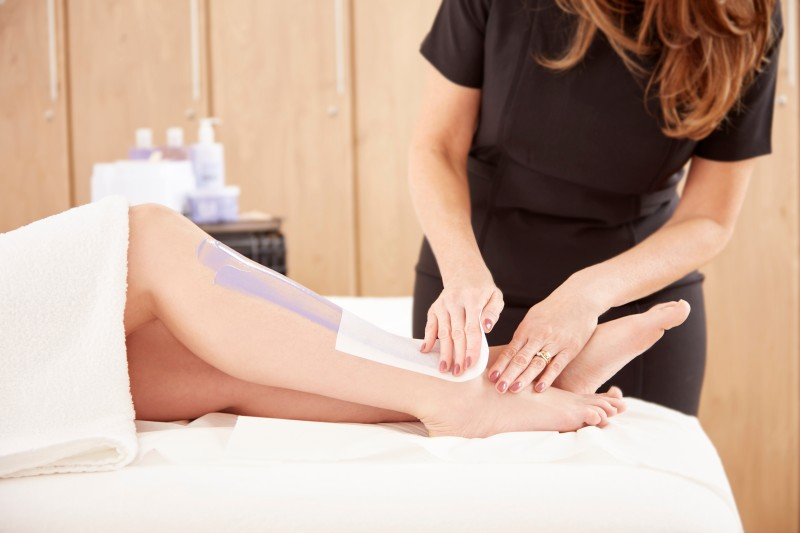
Professional body waxing requires products that match both the treatment area and the specialist’s working method. When comparing soft wax, the choice between roll-on cartridges and canned formulas affects application speed, layer control, equipment needs, and daily product consumption.
Neither system is universally better. Roll-on wax favors standardized, repetitive work, while canned wax gives the specialist more freedom to control application width, direction, and product quantity.
When Roll-On Wax Fits the Workflow
Roll-on cartridges apply wax through a fixed-width roller head. This design can be useful in salons that perform many leg, arm, back, or other large-area treatments throughout the day.
The roller distributes a relatively even layer without requiring a spatula for every application. Specialists can maintain a steady pace across broad, flat areas, especially when several appointments involve similar services.
Cartridge width matters. Standard rollers are practical for legs and arms, while narrower heads can suit smaller sections. ItalWax roll-on products can be compared by formula, viscosity, and roller size to match the salon’s most frequent procedures.
Where Canned Wax Gives More Control
Canned soft wax is applied with a spatula, so the specialist controls the width, thickness, and shape of each section. This flexibility can be useful when the treatment area includes curves, smaller sections, or changing hair-growth directions.
Canned formulas also give salons more freedom when choosing application size. A specialist can use a narrow strip in one area and a broader layer in another without changing cartridges.
The main difference is technique. Spatula application requires consistent pressure and angle to avoid layers that are unnecessarily thick or uneven.
Compare the Two Systems by Daily Use
A salon should match the application system to appointment volume, treatment mix, and staff technique. Several practical differences can guide the choice:
- roll-on cartridges support fast, even application across large and relatively flat areas;
- canned wax gives greater control over layer width and application direction;
- cartridges reduce direct product handling during repeated treatments;
- canned formulas can suit salons that need flexible application sizes throughout the day;
- both options require compatible professional heaters and correct temperature control.
The service menu often determines which system deserves a larger place in stock. A salon focused on full-leg and arm waxing may rely heavily on cartridges, while a varied treatment menu can create more demand for canned formulas.
Using both systems can also be practical. Specialists can reserve cartridges for predictable large-area services and use canned wax when the treatment requires more detailed application.
Viscosity Still Matters in Both Options
Packaging does not replace formula selection. A roll-on wax that is too dense may move poorly through the roller, while a very fluid canned formula can spread farther than intended.
For large-area waxing, look for a texture that creates a thin, controlled layer without repeated passes. Adhesion should match the hair structure as well. Fine or medium hair may not require the same grip as stronger growth on the legs or back.
The ItalWax professional selection includes different soft-wax options, so specialists can compare application systems together with viscosity, intended area, and working temperature.
Match Stock to Appointment Volume
Product turnover should influence package choice. Cartridges are convenient when a salon performs many similar services, while canned wax may suit specialists who need variable quantities across different treatments.
A balanced stock can include both systems rather than forcing one application method into every procedure. Matching wax type to service frequency, staff technique, and treatment area gives the salon better control over product use and helps specialists work with a system suited to each appointment.