

Consistency and reliability are fundamental to modern electronics manufacturing, particularly as products become more complex and tolerance for defects continues to shrink. At the centre of this environment are IPC standards, which provide a common language for workmanship, inspection and process control across the global electronics industry. However, standards alone do not guarantee quality. Their value is realised through structured training that translates documentation into practical skills. Manufacturers increasingly rely on guidance delivered by a master IPC trainer to ensure that interpretation of standards is accurate, current and applied consistently on the production floor. This approach helps bridge the gap between theoretical compliance and real-world execution, shaping the skills of technicians, inspectors and engineers alike. Understanding how IPC standards influence workforce capability is essential to appreciating their role in maintaining quality, reducing variability and supporting long-term manufacturing discipline.
Why IPC-Aligned Training Underpins Electronics Quality
IPC standards define what acceptable workmanship looks like across electronics manufacturing, but their effectiveness depends on how well they are understood and applied. Documents such as IPC-A-610 and IPC-J-STD-001 establish clear criteria for soldering quality, component placement and inspection, yet interpretation can vary without structured training. IPC-aligned education ensures that technicians, inspectors and engineers share a consistent understanding of these requirements, reducing ambiguity on the production floor. When teams are trained against the same reference points, decision making becomes more consistent and quality outcomes are easier to control across shifts, sites and production volumes.
This is where formal electronics training courses play a critical role in translating standards into practical skills. Rather than relying on informal knowledge transfer or local interpretation, IPC-aligned courses provide a structured framework for learning, assessment and certification. Participants gain clarity on acceptable versus non-acceptable conditions, common failure modes and the intent behind specific criteria. Over time, this shared understanding supports stronger process discipline and reduces the likelihood of defects passing undetected. In modern manufacturing environments where tolerances are tight and rework is costly, IPC-aligned training underpins quality by embedding standards directly into workforce capability rather than treating them as reference documents alone.
The Relationship Between Standards, Skills and Consistency
Standards are only effective when they are consistently applied, and this consistency is rooted in workforce capability rather than documentation alone. IPC standards provide a detailed framework for workmanship and inspection, but without practical skill development, they remain theoretical. In manufacturing environments, technicians and inspectors must make frequent judgment calls, often under time pressure. Training aligned to IPC standards helps individuals recognise acceptable conditions instinctively, rather than relying on interpretation at the point of inspection. This reduces variation in decision-making and supports repeatable outcomes across production runs.
Skill development also plays a critical role in maintaining alignment between process intent and execution. When teams understand not just what the standard requires but why it exists, they are better equipped to identify potential issues earlier in the process. This understanding encourages proactive quality control rather than reactive correction. Consistency improves further when training is embedded across roles, ensuring that operators, inspectors and engineers share the same reference framework. Over time, this shared foundation strengthens manufacturing discipline and reduces reliance on individual experience or informal knowledge. In modern electronics manufacturing, where product complexity continues to increase, the relationship between standards, skills and consistency is central to achieving reliable, high-quality output.
Why IPC Training Matters in High-Reliability Applications
In high-reliability sectors such as aerospace, defence, medical electronics and automotive systems, the consequences of workmanship defects extend far beyond rework costs. Products operating in these environments are expected to perform consistently under thermal stress, vibration and extended service life. IPC standards are widely used in these sectors because they define clear, measurable criteria for soldering quality and assembly integrity. However, the presence of standards alone does not ensure compliance. The skill of the workforce remains the determining factor in whether those requirements are met in practice.
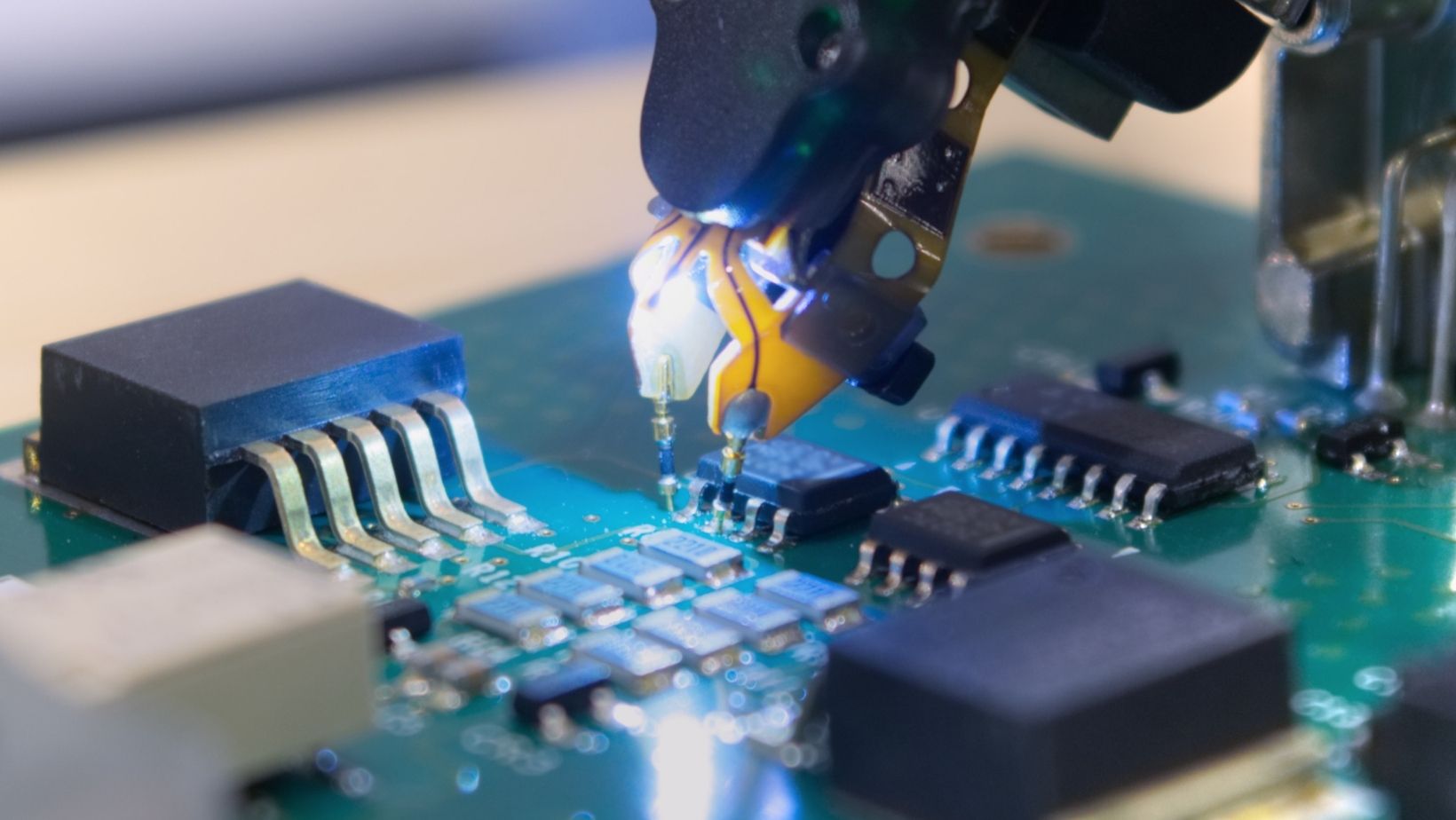
IPC-aligned training equips personnel to work within the tighter tolerances and higher scrutiny demanded by high-reliability applications. Technicians trained to recognise subtle defects and inspectors trained to apply criteria consistently help prevent marginal conditions from progressing through production. This level of discipline supports traceability, accountability and confidence in the final product. In regulated environments, consistent application of IPC standards also simplifies communication between manufacturers, auditors and customers. By shaping skills around clearly defined workmanship expectations, IPC training helps manufacturers maintain control in environments where reliability is critical and tolerance for variation is minimal.
Translating IPC Knowledge into Day-to-Day Manufacturing Practice
One of the most important outcomes of IPC-aligned training is its impact on everyday manufacturing behaviour. When standards are properly understood, they stop being documents that are consulted only during audits and instead become embedded in routine decision making. Technicians develop a clearer sense of acceptable workmanship, inspectors gain confidence in applying criteria consistently and engineers are better equipped to resolve borderline conditions without introducing unnecessary variation. This shared understanding reduces reliance on individual interpretation and helps ensure that quality expectations remain stable across shifts and production batches.
Embedding IPC knowledge into daily practice also supports more effective communication across manufacturing teams. When operators, inspectors and engineers reference the same standards language, issues can be identified and addressed more efficiently. Disagreements over acceptability are reduced because decisions are grounded in recognised criteria rather than personal judgement. Over time, this consistency strengthens process control and reinforces a culture of accountability. In modern electronics manufacturing, where speed and precision must coexist, the ability to translate IPC standards into practical, repeatable actions is a key factor in sustaining quality at scale.
Conclusion
IPC standards play a central role in shaping skills across modern electronics manufacturing, but their influence depends on how effectively they are translated into everyday practice. Through structured, IPC-aligned training, standards become embedded within workforce capability rather than remaining reference material used only for compliance. This shared understanding supports consistent decision making, clearer communication and stronger process discipline across production environments. As electronics manufacturing continues to demand higher reliability and tighter tolerances, IPC training remains a key mechanism for aligning skills, standards and quality outcomes over the long term.