
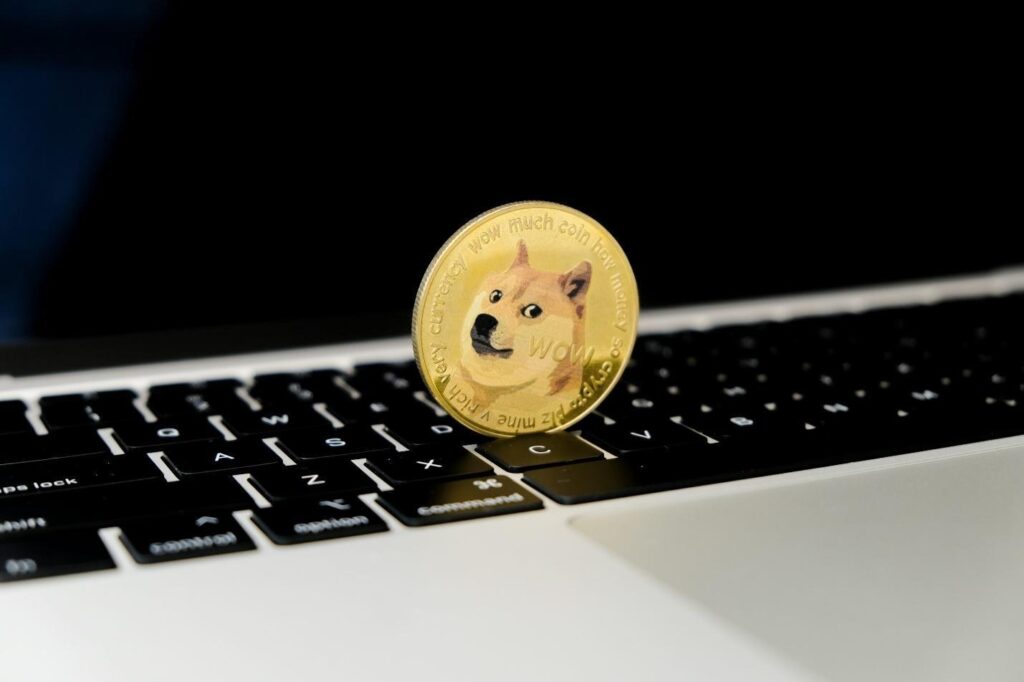
Cryptocurrencies are known as being incredibly fast-paced, with the changes and fluctuations occurring much faster than in the case of standard assets such as stocks or bonds. While the inherent risk has made them wildly untrustworthy in the minds of many investors, there are many who see the volatility as a surefire way towards much more serious gains. As a result, an ever-growing number of traders have been looking for the best ways to grow their portfolios by including more and more cyber tokens.
Working with trustworthy exchanges such as Binance is also key, especially for the investors looking into the latest dogecoin price fluctuations or those of other altcoins that are known to be significantly riskier than Bitcoin. Assessing your specific financial goals from the very beginning will save you a lot of hassle in the long run as well, as you will be able to determine what you need to do and how the fluctuation impacts your finances. Having a strategy means that you can make the most of what the marketplace has to offer so that your portfolio reaches its full potential as well.
And while trading and going for short-term gains used to be quite popular not long ago, most investors have moved on to long-term holding now, as the shifts in the way the market operates have made them question the potential of fast buying and selling.
The regulatory framework
In the beginning, lawmakers wanted absolutely nothing to do with cryptocurrencies, seeing them as nothing more than a fad that would blow over soon enough. But it has been more than a decade since the assets have been picking up speed, and their popularity has been climbing considerably. Right now, a significant number of institutional investors have started accumulating cryptocurrencies as well, convinced by their long-term potential. As a result, regulators have begun looking into the best ways to integrate the crypto ecosystem into the larger financial world.
Countries from all over the world have begun developing legislation that is specific to crypto’s requirements, with some, such as El Salvador, adopting it as legal tender as well. Since cryptocurrencies were specifically designed to be entirely borderless, the fact that laws will most likely be different depending on the country matters quite a lot, since it can hinder investors and make transactions more challenging. However, that hasn’t stopped lawmakers from looking into further ways to make the marketplace more stable for everyone.
One of the most widely debated and discussed pieces of legislation is the Digital Asset Market Structure Clarity Act, part of one of three major crypto bills, which also include the GENIUS Act (designed for stablecoin regulation) and the Anti-CBDC Surveillance Act. The House passed all three in July 2025, following a voting session that lasted ten hours.
The importance of regulations
The fact that the US has chosen to implement such a piece of legislation is noteworthy, as the country is the world’s most important and powerful crypto hub. The Act defines digital assets more clearly, requires crypto businesses to have official registration, defines mature blockchain systems and enables lighter regulatory practices for them, safeguards self-custody rights, requires ongoing project disclosure, preserves financial laws, and includes anti-money laundering compliance. This is why regulatory frameworks are seen as a positive addition, as they eliminate all confusion around classifications and create compliance environments that are more predictable and easier to deal with for both the enterprises and the investors.
It is also a big change from the previous approaches that valued enforcement first and foremost, and which led to a few high-profile lawsuits that created a lot of uncertainty for investors. The Act is helpful for everyone in the crypto world, with the companies benefiting from the predictability and oversight, while the investors feel empowered to join the market since everything is clearer and more stable. Digital finance innovation is fostered as well, with regulatory advancements in other countries quite possible as well.
Over the last couple of years, there has been growing support among members of the general public for decentralized finance, blockchain applications, and non-custodial wallets, so creating a more comprehensive regulatory framework seems long overdue.
Changes in ownership
The reason why many investors are interested in cryptocurrencies is because of the anonymity they provide. Recently, self-custody has become a source of even more debate, as many are discussing the importance of being able to feel that you actually have full ownership over your assets. Online financial privacy, in particular, has been an important topic since keeping your data private appears increasingly challenging nowadays.
Recent data indicate that ownership habits have been changing as well, with whales and long-term holders in particular choosing ETFs over self-custody in increasing numbers. The primary reasons are that management is much easier and that they can enjoy the tax benefits as well. The decline in self-custody is the first of its kind to be recorded in well over a decade, so it became noteworthy right away. But what about the reasons for it? Analysts believe that it has to do with the Securities and Exchange Commission approving in-kind creations and redemptions for the ETFs last summer.
The shift authorized holders to exchange cryptocurrencies for exchange-traded fund shares and vice versa without having to deal with a taxable event. This is in opposition to cash-settled ETFs, while the “not your keys, not your coins” served to move traders even further away from the idea of self-custody. However, many have said that allowing a third party to have any ownership over your assets clashes with the core values of cryptocurrencies.
The bottom line
The crypto environment continues to change, and everybody has a different opinion and prediction for where things will go next. While some are excited about the potential for future adoption as a result of the growing interest from institutional investors, others are less overjoyed, thinking that the ecosystem is moving closer to centralization.
The important thing when you’re investing is to remain aware of what’s going on and find the best way to navigate the potential risks. It can save you a lot of money in the long term.