
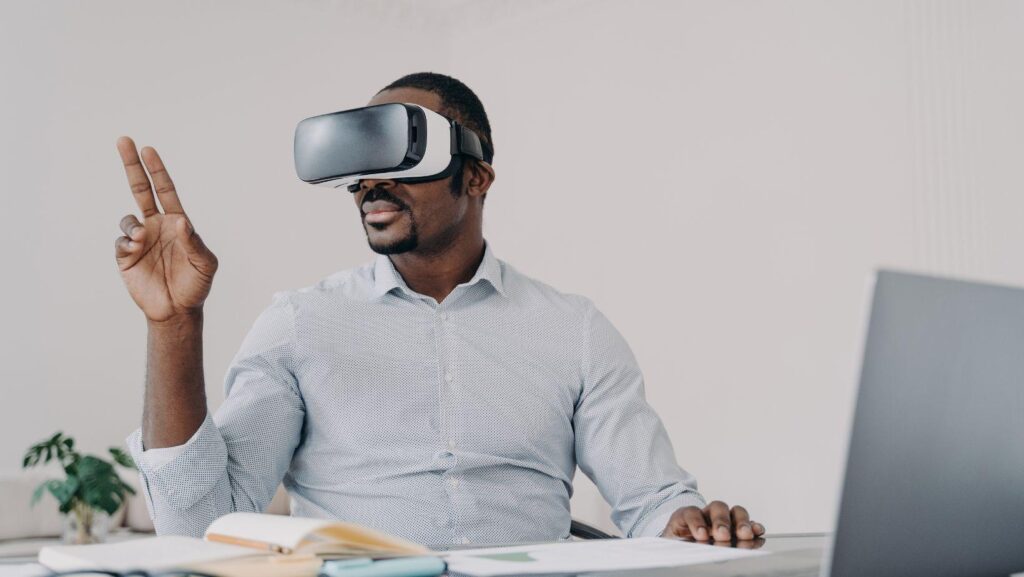
Digital entertainment has changed the way people spend their free time. Not long ago, leisure was mostly connected to television, cinema, physical events, books, sports, or traditional video games. Today, entertainment has become more flexible, more personal, and more connected to the digital habits of everyday life. A person can watch a short video, play a mobile game, listen to a podcast, join an online community, follow a live event, use an online video editor to create and share content, or discover a new interactive platform within the same evening.
This shift did not happen by accident. Smartphones, faster internet, better apps, and social media have created an environment where entertainment is always nearby. People no longer need to wait for a specific time or place to enjoy content. Everything is available instantly: games, streaming services, music, live chats, creative tools, and digital communities. The result is a new kind of entertainment culture built around choice, speed, and personal mood.
One of the most interesting changes is the rise of interactive entertainment. Audiences no longer want only to watch; they want to participate. This is why games, polls, live streams, challenges, virtual events, and app-based experiences have become so popular. Users enjoy feeling involved. They want entertainment that reacts to them, gives them choices, and creates a sense of presence.
Gaming is a major part of this transformation. Mobile games, cloud gaming, esports, casual puzzles, strategy games, and multiplayer platforms have expanded the meaning of what it means to “play.” Gaming is no longer limited to teenagers or dedicated gamers. It has become a broad cultural activity for people of different ages and interests. Some play to relax, some to compete, some to connect with friends, and others simply to take a short break during a busy day.
The business side of digital entertainment has also grown rapidly. Companies now invest heavily in user experience, design, storytelling, personalization, and community building. A successful entertainment platform is not only about content. It must be easy to use, visually attractive, secure, fast, and engaging enough to bring people back. In a crowded digital market, attention is one of the most valuable resources.
At the same time, the internet has become a huge space where different entertainment trends appear side by side. A user may see news about mobile games, streaming apps, esports tournaments, online communities, interactive platforms, and search phrases such as Casino Zoome while browsing entertainment-related content. This variety shows how wide the digital leisure industry has become, but it also reminds users to approach online platforms thoughtfully and choose experiences that match their interests, age, and personal limits.
Another important factor is personalization. Modern platforms learn what users like and offer recommendations based on behavior. This can make entertainment more convenient, but it also creates a need for balance. When apps constantly suggest new videos, games, or content, users may spend more time online than planned. That is why digital awareness has become part of modern leisure. Enjoyment should feel refreshing, not exhausting.
Design plays a huge role in this experience. The best entertainment platforms are simple, intuitive, and visually pleasant. They do not force users to think too much about navigation. Clear menus, smooth loading, readable screens, and well-organized features can make the difference between an enjoyable experience and a frustrating one. In digital entertainment, comfort is part of the product.
Community is another reason why online entertainment keeps growing. People like to share reactions, discuss updates, compare results, follow creators, and feel part of something larger. This is especially visible in gaming and streaming culture, where communities often become as important as the content itself. A game or platform may attract attention because of its features, but it stays alive because of the people around it.
There is also a strong connection between entertainment and identity. The content people choose often reflects their mood, values, humor, curiosity, and lifestyle. Some prefer competitive games, others relaxing puzzles. Some follow sports content, others enjoy technology reviews, music, travel videos, or creative communities. Online entertainment has become a personal space where users shape their own digital rhythm.
For brands and publishers, this creates both opportunities and responsibilities. They must understand that users are not just looking for distraction. Many are looking for quality, trust, originality, and safe digital experiences. A platform that respects the user’s time and attention has a better chance of building long-term loyalty.
The future of digital entertainment will likely become even more immersive. Artificial intelligence, augmented reality, virtual events, smarter recommendations, and cross-platform experiences will continue changing how people interact with content. The line between games, media, social platforms, and online communities will become even thinner.
Still, the main idea will remain simple: people want enjoyable experiences that fit naturally into their lives. They want entertainment that is easy to access, interesting to explore, and worth their attention. Whether it is a mobile game, a live stream, a digital event, or a new online platform, the best experiences are those that combine creativity, technology, and a clear understanding of what users actually enjoy.
Digital entertainment is no longer just a way to pass time. It has become a major part of modern culture, business, communication, and personal routine. The platforms that succeed will be the ones that offer not only excitement, but also trust, usability, and a reason to return.