

Have you ever done a project on schedule and then still watched cash flow in construction squeeze before its end? You are not alone. Stable finances could be more difficult to sustain than complete schedules in construction. That is why progress billing plays such a critical role in protecting construction profitability.
When applied in the right way, progress billing assists contractors in taking care of payments as work is done. Mishandled, it will result in late payments, conflicts, and dwindling margins. Proper billing structures and appropriate cash flow software for construction enable firms to remain afloat between the initial invoice and the last payment.
Why Progress Billing Is Critical to Construction Profitability
The work of construction is capital-intensive. The materials are bought in advance, crews earn weekly, and projects are carried out in months. The invoicing at the bottom end causes unnecessary pressure on the cash reserves, and it is at risk of stimulating more financial risk.
Progress billing follows the payment according to the work done. It ensures revenue comes in as expenses go out. This approach directly supports construction profitability by reducing borrowing needs and keeping operations funded.
According to Forbes, cash flow issues remain one of the top reasons businesses fail, even when demand is strong. In the construction business, billing timing often has a greater impact on financial stability than project volume, making progress billing a core operational discipline rather than a back-office task.
Core Components Of Effective Progress Billing

Strong billing practices rely on clarity and structure. Every project should define how and when billing occurs before work begins.
Key components include:
- A detailed schedule of values
- Clear completion milestones
- Agreed retainage terms
- Documentation requirements
- Approval timelines
Without these elements, billing becomes subjective and disputes increase.
Proven Progress Billing Strategies For Profit Protection
If you need to minimize delays and maximize health, these proven-and-tested strategies are applicable in residential, commercial, and specialty trades.
- Tie invoices to measurable milestones, not vague percentages.
- Bill invoice on the same set date every billing cycle.
- Include backup documentation with every invoice.
- Review job progress weekly, not monthly.
- Clearly separate retainage from earned revenue on invoices.
- Confirm completed work with field teams before billing.
- Track approved change orders separately to avoid billing confusion.
Here’s the result: The more predictable the process, the easier it is to forecast cash needs and avoid surprises. But if you need better visibility into billing progress across jobs, Cash Flow Frog makes it easier to see.
Best Practices For Accurate And Timely Progress Billing
According to research, inconsistent and late invoicing is a major contributor to payment delays across service industries. And the construction business is no exception. So, what can you do?
- Assign one individual with the duty of billing coordination to prevent confusion on projects between project managers, accounting, and field teams
- Have standardized templates to make every invoice appear the same and comfortable for clients to look at.
- Match invoices and document project milestones properly to avoid disputes about the completion.
- Add supporting documents, including photos or progress reports, to confirm billed work.
- Review billing details against field updates before sending invoices to catch errors early.
Accuracy builds trust. Timeliness keeps cash moving. Both matter. With these routines, progress billing becomes a predictable system that supports steady cash flow and stronger project margins. For better results, you can use Cash Flow Frog projections.
Overcoming Common Progress Billing Challenges

Even solid systems face roadblocks. Clients may delay approvals. Field updates may lag behind billing schedules. Retainage can tie up cash longer than expected.
To overcome these issues:
- Hold pre-billing reviews with project managers
- Communicate billing dates in advance
- Track retainage separately from earned revenue
- Confirm completed work with site supervisors before invoicing
- Immediately follow up on rejected or delayed invoices.
When the billing practices are initiated instead of reactive, the problems will be identified earlier and easily solved.
Leveraging Technology To Streamline Progress Billing
Spreadsheet programs can only go so far. The larger the project, the more difficult it is to see. It is in this context that specially designed tools such as Cash Flow Frog come in to fill the gap.
Using the linkage between project progress and cash projections, the teams can have real-time knowledge of future inflows and outflows. Such visibility enables owners to make wiser decisions without needing to wait till the end of the month to get such reports.
In Conclusion
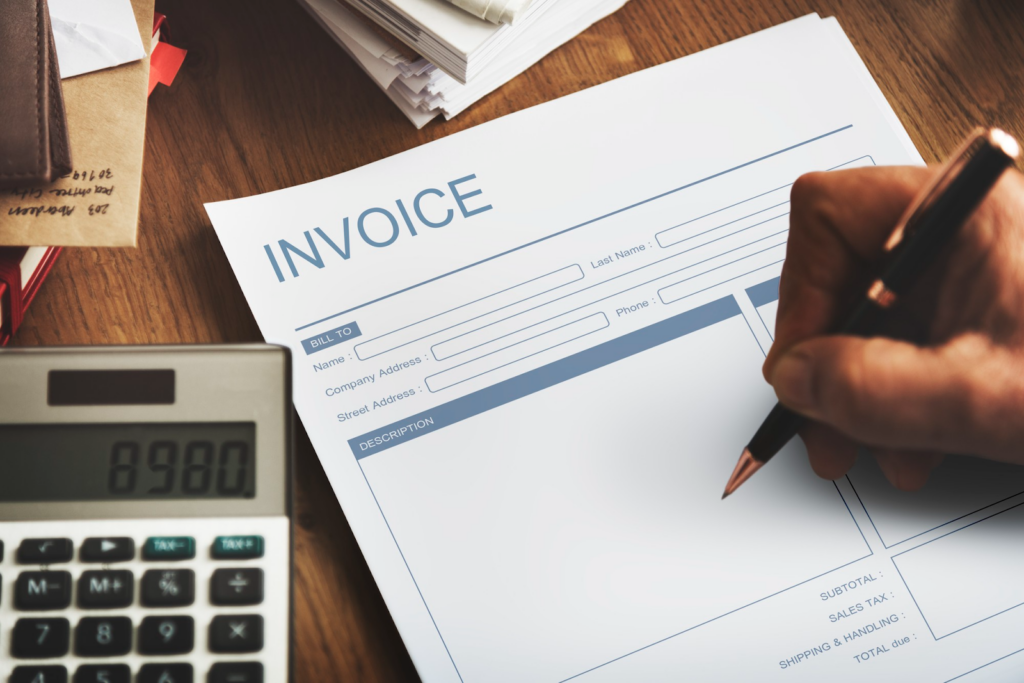
Progress billing is more than an accounting task. It is a profit protection strategy. With visible milestones, billing practices, and cash flow, a construction business will have control over its finances rather than respond to them. The appropriate systems make progress billing a foreseeable process and no longer a continuous point of stress.
So, have you refined your progress billing approach over time? What has worked best on your projects? Share your experience and join the conversation!