
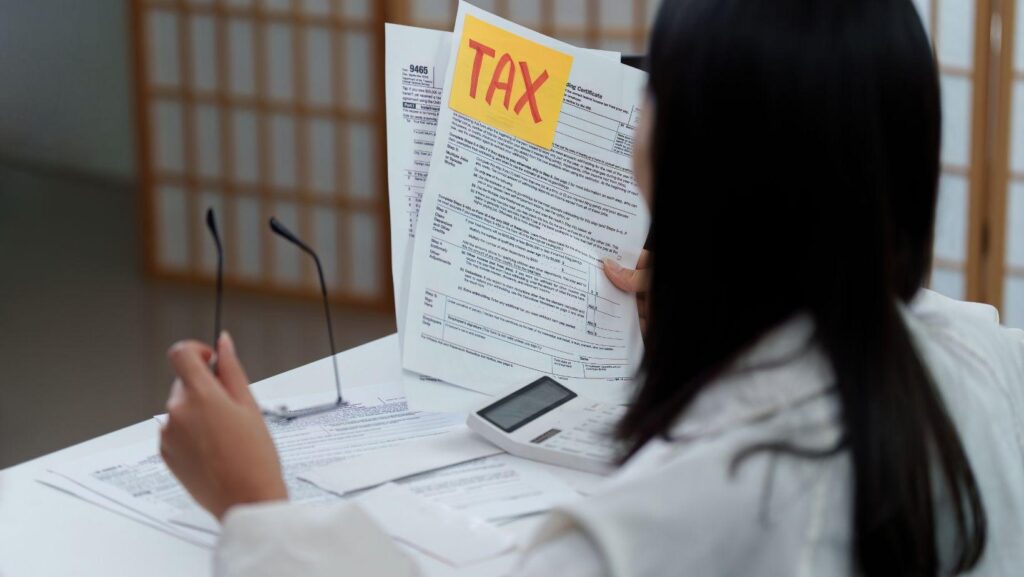
Preparing yourself for the tax season might not seem like a pleasant thing to do, but it certainly has its benefits. You can ensure that everything is done tax-wise, and there’s no need to worry about potential problems. A lot of the time, taxes are giving us an unnecessary headache, so figuring out where to go and what to do next, that can be incredibly important a lot of the time.
Why do you need to prepare your tax documents?
Ideally, you want to have tax documents ready to go because they are indeed very important. You need to have those, otherwise you could miss deductions and credits, and you slow down the filing process as well. Plus, you can get exposed if you are ever audited, which is an incredibly important part of the process. That’s the thing, document collection is imperative, since the right paper trail like having the necessary bank statements or anything of that nature, that can help immensely.
Income documents you want to keep
Obviously, when you file taxes, you want to have a copy of your income documents. And a lot of the time, it comes down to knowing what documents you must keep. It’s not as black and white as you imagine. But in general, you want to have the 1099 NEC or MISC, W-2 forms, 1099 INT and DIV, 1099-B, 1099-R, 1099-G or 1099-K. These will vary based on your position, how you work and anything of that nature. If you are a business partner, K-1 forms will be necessary.
Deduction and credit documentation
With tax filing, there can be a lot of unknowns, which is a thing you have to focus on. For homeownership, you want to keep the 1098 form showing the mortgage interest paid, any property tax statements, records of points paid on a mortgage refinance, etc.
Education-wise, you want to keep the 1098-T form for the tuition payments, 1098-E student loan interest statements and receipts for any courses, books or so on. In the case of medical expenses, keep receipts for the out of pocket medical and vision or dental costs. Then, there are mileage logs for the travel or medical appointments.
Of course, there are documents that you need to keep when it comes to child and dependent care or for retirement. In the case of the latter, you have the form 5498 and records of the IRA contributions, especially if they are made outside of the payroll deductions. Naturally, you want to have those state and local taxes, which is a major part of the process as a whole.
Self employment and business records
Of course, there will be people who work on their own, and in that case there can be all kinds of different challenges. If you do represent a business, be it personal or not, there are some documents you need to keep. The profit and loss statements, receipts for the business expenses, home office documentation, vehicle mileage logs, records of estimated tax payments, 1099s issued to contractors, business bank and credit card statements, those are a huge part of the process as well. Every document related to business expenses is something you want to keep, that’s for sure.
Investment and asset records
Aside from the regular 1099 forms, there are some extra records which you may need if you acquired, sold or even transferred investments/property during the year. That means you need to have the records of those transactions, even cryptocurrency if that’s the case. The same thing is valid for the documentation of real estate sales, cost basis records and records for any 1031 exchange, depending on the situation at hand. All of these matter, and they are incredibly important to keep in mind.
Even life changes that affect your tax returns need to be kept in mind here. If there are such changes, then you have to think about them, as it will be something inherently important to consider. For example, a marriage or divorce will change your finances, same with new dependents, moving to another state, losing a job or getting a new one, anything of that nature is going to change things in many more ways than expected.
Should you keep documents from the previous year?
Naturally, it’s always a good idea to keep documents even from a few years ago, just to be on the safe side. You want to have the last year’s returns, IRS or state tax notices, records of any tax payments made after you filed for taxes, etc. All of those things are important and having access to the right documents will help quite a bit here.
Tips to better manage your tax documents
- Try to create a dedicated tax folder at the start of every year
- Use subfolders for the major tax categories. That way, you can easily access every single file in there, and it will be much easier to find anything you need. That alone is a major part of the process.
- Scan the paper receipts because you need to have them readily available in the digital format. Not only are they easier to manage, but it’s just a more cohesive and consistent system you need to keep in mind.
- It makes sense to have a running log for anything that doesn’t have an automated paper trail. That way, you can find the document without having to worry about any downsides.
- And of course, you want to have a reminder for late January, so you can check all the expected income forms and see what is missing. That will give you enough time to search for everything properly.
Conclusion
We all know how tricky it can be to file taxes and manage stuff. The most important thing is to always focus on having access to the necessary documents, where possible. With that in mind, don’t rush and instead just figure out where to go next and how to better adapt things to your specific needs. At the end of the day, what matters is how you approach the tax season and the systems you use to manage your tax documents. Thankfully, with these tips, things become much easier.