
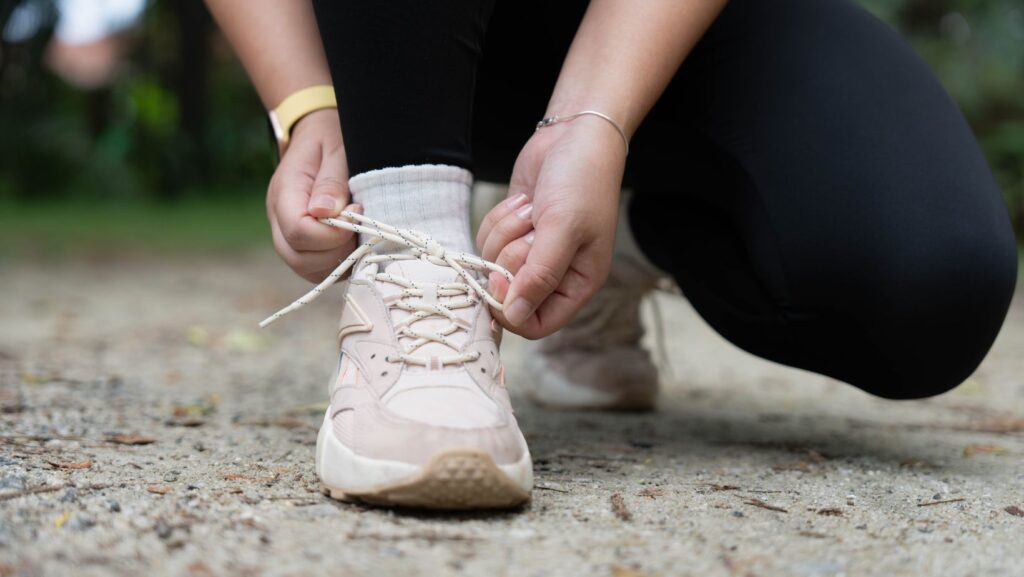
For decades, the sports footwear industry could be explained with two simple lanes: performance shoes made for sport, and lifestyle shoes made for culture. That split no longer reflects reality. Today, the most successful sports footwear products are the ones that move seamlessly between both worlds: they perform well enough for training, and they look and feel right for everyday life.
This convergence is not a short-lived fashion wave—it’s a structural shift in consumer expectations and market economics. Industry research shows that “sports shoes” dominate athletic footwear activity share largely because they are versatile, serving both team sport utility and athleisure/lifestyle needs. Another market forecast points to continued growth driven by sneaker culture, casualization of workwear, and health-focused lifestyles—factors that naturally reward hybrid “sportstyle” products.
In short: the future belongs to footwear that performs like equipment and lives like fashion.
Why the Performance–Lifestyle Merge Is Accelerating Now
1) The New “Default” Consumer: Active, Social, and Time-Poor
The modern buyer is not choosing between “gym shoes” and “street shoes” as often as before. They want a single pair that covers multiple contexts—commute, errands, travel, casual office, and an evening workout. This is why the category most strongly associated with crossover—athleisure—continues to expand: consumers are paying for versatility more than for single-purpose specialization.
Expert comment:
When a shoe becomes a “default” daily option, its value increases dramatically. Brands don’t just win a purchase—they win a habit. Habit drives repeat buying, color refreshes, and long-term loyalty.
2) The Running Boom Reframed: Performance as a Lifestyle Identity
Running and training aren’t only fitness activities anymore; they’re social identity, mental health routine, and community participation. Strava’s “Year in Sport” style reporting has shown how running shoes become cultural objects, with certain models dominating usage across wide audiences—an indicator that performance products now influence the mainstream.
Expert comment:
A product doesn’t have to be the “best shoe on Earth” to win—it has to be the most adopted shoe in real life. Adoption is where performance meets lifestyle: the shoe works well enough technically, and it fits into everyday social patterns.
3) Premiumization + Culture: Better Tech Is Easier to Sell When It Looks Good
Premium athletic footwear is projected to grow faster than mass-market tiers in many forecasts, as consumers justify higher price points with comfort, durability, and perceived innovation. When premiumization overlaps with cultural relevance (collabs, limited drops, iconic silhouettes), it becomes a growth multiplier: the consumer feels they’re buying both function and status.
The “Hybrid Product” Becomes the Industry Standard
The new product archetype is the hybrid shoe—a silhouette that can be worn daily but has legitimate performance DNA. It may not be a racing shoe, but it often includes technology borrowed from elite performance lines: energy-return foams, engineered mesh uppers, stability geometry, rocker shapes, and tuned traction.
What “Hybrid” Actually Means (Beyond Marketing)
A true performance–lifestyle hybrid typically delivers four core outcomes:
- All-day comfort (cushioning, reduced fatigue, smoother gait transition)
- Real stability (especially for walking, standing, commuting)
- Durability (outsole rubber, upper reinforcements, long wear cycle)
- Wearability (colorways, profile, styling compatibility)
Expert comment:
The hybrid shoe is essentially “performance for the average day.” The technical goal isn’t winning a marathon—it’s reducing daily micro-fatigue, improving comfort during movement, and supporting long hours on feet.
The Technology Story: What Innovations Will Define the Next Wave
1) Cushioning Wars Move Toward “Tuned Comfort,” Not Just Max Stack
For years, brands competed on “more cushion” and “more bounce.” The next phase is tuning: balancing softness with stability, and energy return with control. This matters because lifestyle wear puts different stress patterns on footwear than sport does—long standing, urban walking, uneven surfaces, hard pavements, and frequent stop-start movement.
Expect more:
- multi-density midsoles,
- geometry-based stability (rails, sidewalls, heel cradles),
- rocker designs optimized for walking and all-day motion.
2) Lightweight, Durable Uppers That Still Look Premium
Industry trend reporting for 2025 highlights continued emphasis on lightweight materials and advanced membrane development in performance apparel and outdoor markets—signals that footwear uppers will also keep evolving toward lighter protection and comfort.
Lifestyle customers want uppers that feel premium yet breathable and resilient.
Expect more:
- engineered knits with targeted zones,
- lightweight coatings for abrasion protection,
- structured mesh with better shape retention.
3) Sustainable Materials Shift from “Nice to Have” to Competitive Requirement
Sustainability in footwear is moving beyond storytelling into engineering: recycled polyester, bio-based components, reduced-solvent adhesives, and circular experiments (repair, take-back, resale). The big change: consumers increasingly expect sustainability without sacrificing performance or aesthetics.
Expert comment:
The era of “eco shoes that look eco” is ending. Sustainability must become invisible—built into the product while the shoe still feels modern, premium, and culturally relevant.
The Business Engine: Why the Crossover Model Drives Growth
Versatility Expands Addressable Market
Market research indicates that sports shoes held the largest share of athletic footwear in 2024, partly due to their ability to serve multiple uses—team sports, casual wear, and athleisure. This is the key: a shoe that works in more contexts becomes easier to justify, easier to gift, and easier to repurchase.
Crossover Products Reduce Brand Risk
Pure lifestyle relies heavily on trend cycles. Pure performance relies heavily on technical credibility and athlete validation. Hybrid products hedge both risks:
- If a trend cools, the shoe still sells as “comfortable and functional.”
- If a technical claim is challenged, the shoe still sells as “stylish and wearable.”
Expert comment:
Hybrid footwear is financially resilient. It smooths demand volatility because it serves multiple buying motivations simultaneously: comfort, identity, and utility.
The Cultural Engine: Sneakers as Both Tool and Symbol
Sneakers are now among the most visible cultural products on Earth. Their success is not only in performance benefits, but in what they communicate: taste, belonging, and modernity. This explains why certain models and brands can dominate both training usage and social visibility simultaneously.
Fashion Cycles Absorb Performance Features
Historically, lifestyle sneakers borrowed aesthetics from performance lines. Now, lifestyle demands are pushing performance design itself. You see this in:
- sleeker profiles replacing bulky “dad shoes” in some segments,
- refined color palettes and materials,
- performance shoes marketed for travel, commuting, and everyday use.
The direction is two-way: sport influences fashion and fashion influences sport.
How Consumers Decide Faster Than Brands Expect
The biggest mistake brands make is assuming the consumer decides in a linear way: “I need a running shoe → I evaluate performance specs → I buy.” In reality, decision-making is parallel:
- They evaluate comfort instantly (first step test).
- They evaluate look instantly (mirror test).
- They evaluate social acceptability instantly (will it work with my wardrobe?).
- Only then do they rationalize with specs, reviews, and claims.
At this stage, many teams use rapid insight workflows to understand how design, tech, and culture interact—sometimes even running internal prompts and ideation sessions in tools like Ask AI with All-in-One AI Super App simply to generate competing hypotheses before consumer testing. The key is that the insight process must be fast, because culture moves faster than product cycles.
Expert comment:
Performance is increasingly a baseline expectation, while lifestyle fit is a differentiator. Consumers don’t ask, “Does it have cushioning?” They ask, “Does it feel good and look right for my life?”
What the Next 3–5 Years Will Look Like: Six Predictable Shifts
1) “Sportstyle” Becomes the Dominant Shelf Strategy
Retailers will increasingly merchandise by “use case” (commute, all-day, travel, training) rather than by strict sport categories. This is already implied in the market share dominance of versatile sports shoes.
2) Running Tech Will Spill Further into Everyday Footwear
Running remains one of the most innovation-rich categories, and forecasts highlight strong growth expectations for running shoes through 2030.
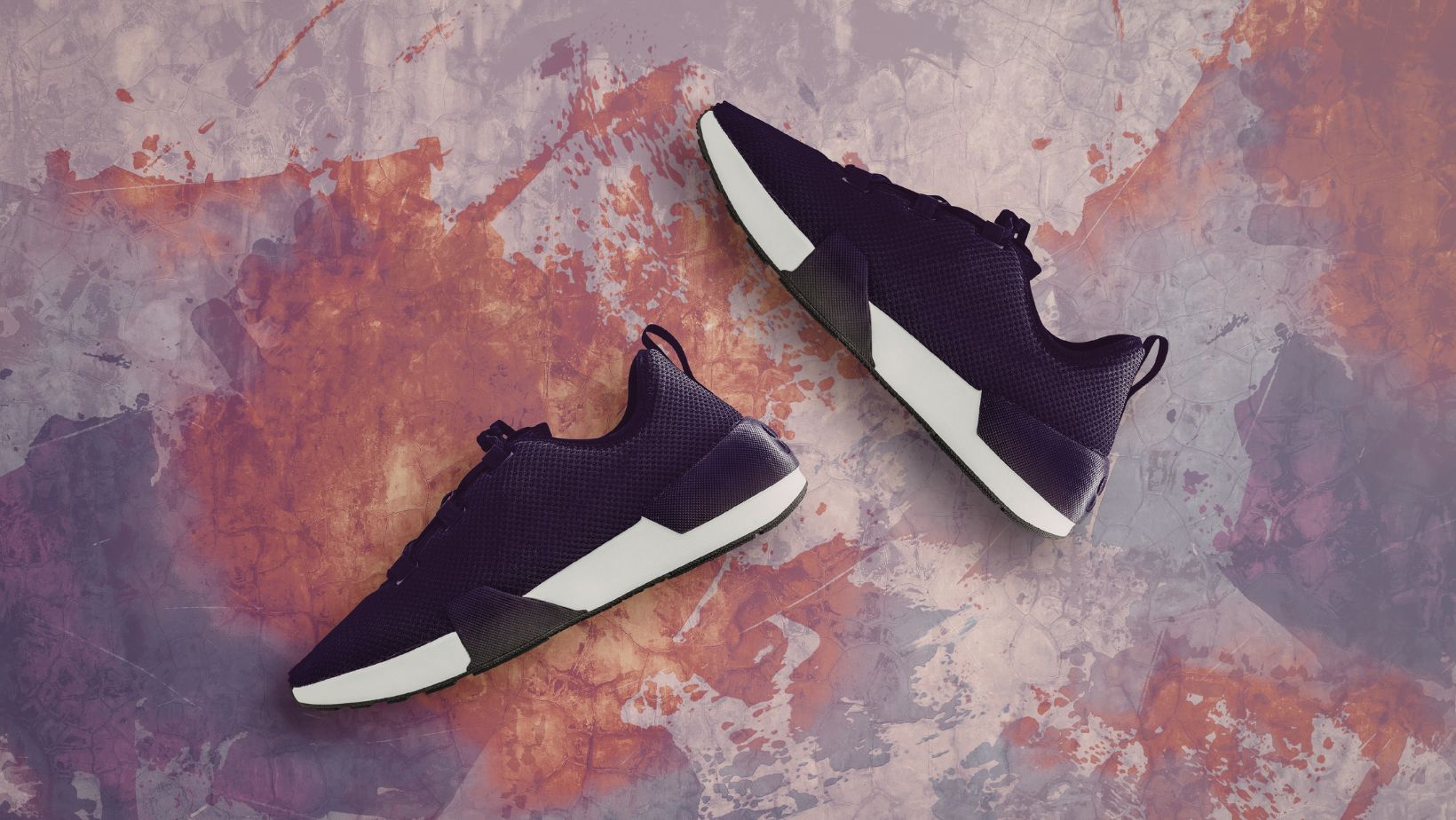
As running foams and geometry improve, lifestyle consumers will demand those benefits in their daily sneakers.
3) Premium Comfort Becomes a Status Symbol
Premiumization isn’t only about fashion. It’s about measurable quality: reduced fatigue, better materials, more durability. Premium tiers are expected to grow faster than mass in some forecasts.
4) Women’s Footwear Gains More Purpose-Built Design
The industry is shifting from “shrink it and pink it” toward real biomechanical and comfort adaptation—width options, heel geometry, better arch and midfoot solutions, and more inclusive sizing.
5) Sustainability Moves Toward Standards, Not Stories
Consumers will increasingly ask for proof: certifications, material disclosure, and credible durability claims. Brands that treat sustainability as core engineering will outperform those who treat it as seasonal marketing.
6) Online Growth Forces Better Fit Solutions
Online retail growth projections remain strong in many market outlooks. More online sales means brands must reduce returns through better last design, clearer sizing guidance, and improved product descriptions.
Implications for Brands: What Winning Looks Like
Build “Performance Credibility” Even in Lifestyle Icons
A lifestyle silhouette can gain new life when updated with modern comfort: better foam, improved insoles, refined fit, lighter uppers. Consumers feel the difference immediately.
Design for the Whole Day, Not Just the Workout
A shoe that is perfect for a 45-minute training session might fail across 12 hours of wear. Winning hybrids must manage:
- heat and breathability,
- long-term support,
- toe box comfort,
- stability under fatigue.
Market the Use Case, Not the Spec Sheet
Specs alone are rarely persuasive outside core enthusiasts. The winning message is functional lifestyle:
“Comfort that lasts all day,” “stable feel on pavement,” “performance cushioning for real life.”
Expert comment:
The next decade’s category leader won’t be defined by one breakthrough foam. It will be defined by the brand that integrates performance innovation into shoes people actually want to wear every day.
Conclusion: The Future Is a Flywheel, Not a Split
Performance and lifestyle are no longer competing narratives. They are a flywheel:
- Performance innovation makes lifestyle shoes more comfortable and premium.
- Lifestyle adoption scales performance technology to mass markets.
- Mass adoption funds the next wave of performance R&D.
- R&D then feeds back into culture through visible, wearable tech.
Market data supports this direction: athletic footwear growth is being driven by a blend of active lifestyles, sneaker culture, and the casualization of workwear—exactly the conditions where performance and lifestyle reinforce each other.
The brands that win will be those that stop treating “performance” and “lifestyle” as separate departments—and instead build shoes that function like sports equipment and live like personal style.