
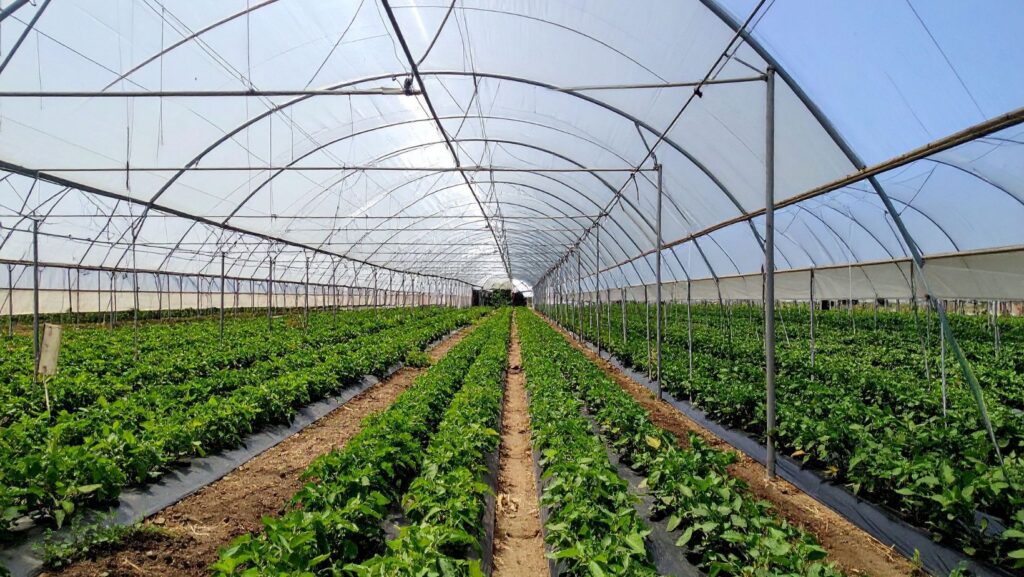
Greenhouses play an important role in helping people grow plants all year round, no matter the weather outside. They create a special space where plants can get the right warmth, light, and moisture to grow well. Many farmers and businesses, like VB, use greenhouses to produce fresh food and flowers more efficiently. With new technology and smart designs, greenhouses are becoming better places for growing plants while saving water and energy.
The Modern Purpose Of Greenhouses
Greenhouses have evolved from simple glass shelters into advanced systems for sustainable food and plant production. They help growers manage temperature, humidity, and light in ways that improve both productivity and quality. Studies show that controlled greenhouse environments can increase crop yields by up to 40% compared to open-field farming (FAO, 2023). For a company like VB, this kind of innovation supports their mission to make agriculture more efficient and environmentally friendly.
Smart Technology And Data Use
In recent years, technology has turned greenhouses into intelligent spaces. Sensors now track soil conditions, CO₂ levels, and water use in real time. This data helps farmers make quick adjustments to save energy and reduce waste. According to Wageningen University research, data-driven systems can cut water use in greenhouses by 30% while keeping plant health stable (2024). Companies implementing these systems are proving that sustainability and profitability can go hand in hand.
The Future Of Construction And Design
Modern greenhouse projects demand durable materials and efficient layouts. Builders now use lightweight steel frames, double-glazed panels, and automated climate controls to optimize energy use. Commercial greenhouse construction has become a fast-growing industry, driven by the global demand for year-round food production. Research from MarketsandMarkets (2024) shows that the global greenhouse market value is expected to surpass $70 billion by 2030, with a steady annual growth rate of over 8%.
Sustainable Urban Food Production
City Populations Keep Growing, And Urban Farming Helps Meet Local Food Needs. Greenhouses On Rooftops And In Vacant Lots Are Appearing Across Major Cities. These Projects Not Only Support Local Businesses But Also Cut Transport Emissions And Food Waste. The 2022 Advancing Net Zero Status Report By The World Green Building Council Highlights Collaborative Actions That Contribute To Reducing Urban Carbon Emissions, Noting That Integrating Greenhouses Into Cities Can Help Lower Emissions By Up To 10%. Vb Has Been Involved In Developing Modular Systems That Allow City Farmers To Grow Fresh Produce In Limited Spaces.
Training And Employment
While automation plays a major role, people remain key to greenhouse success. Skilled workers are needed to manage planting schedules, maintain systems, and handle logistics. According to the USDA Economic Research Service’s 2023 Farm Labor report, greenhouse and nursery crop production tends to be more labor-intensive than other types of farming, creating more local jobs per hectare and highlighting the sector’s role in rural employment. Educational programs are now teaching young professionals about sustainable cultivation and greenhouse management, ensuring a skilled workforce for the years ahead.
Innovation Centers And Regional Builders
Innovation hubs across the US are attracting investors interested in green technology. Local builders and developers are part of this movement, turning advanced greenhouse concepts into real businesses. A Greenhouse builder New York example shows how regional expertise combines with new materials and smart software to create efficient growing spaces adapted to local climates. These collaborations help smaller producers become more competitive and sustainable in the long term.
Looking Toward A Greener Future
Greenhouses offer a clear path toward more sustainable and resilient food systems. They reduce water and energy waste, increase productivity, and allow growers to produce food locally all year round. Companies like VB demonstrate how smart design, research, and community engagement can bring lasting change. As innovation continues, greenhouses may become central to feeding both cities and rural communities with fewer environmental costs.