
For years, businesses measured productivity by how many tasks were completed. Teams kept lists, tracked deadlines, and celebrated when boxes were checked off. But in 2025, the real advantage is no longer task completion alone—it’s knowledge. The most successful organizations recognize that while tasks get work done, knowledge ensures the right work is done, consistently and at scale. Without knowledge, teams repeat mistakes, rediscover processes, and waste time duplicating efforts. With knowledge, they accelerate progress and make smarter decisions. This is why modern project management tools are evolving into platforms that don’t just track activity but centralize knowledge as a core asset.
Lark reflects this shift. By combining task management with documentation, communication, scheduling, and structured data, it turns daily execution into a cycle where knowledge is captured, shared, and applied. Instead of finishing tasks only to start over next time, organizations build a foundation that compounds value over time.
Lark Docs: turning output into lasting knowledge
Traditional task lists rarely preserve context. A project may hit its deadline, but the insights gained along the way are often lost. Employees move on, and the next team faces the same learning curve.
Lark Docs ensures this doesn’t happen. Teams collaborate in real time: they can co-edit, comment, revise strategies, reports, and guidelines all in Docs. Once projects conclude, outputs don’t vanish into archives; they remain accessible, refined, and connected to future work. With Wiki view, organizations can organize this content into a structured knowledge base. Policies, onboarding guides, and best practices become searchable references, ensuring lessons learned fuel future success.
This ability to transform output into institutional memory marks the difference between simply completing tasks and managing knowledge strategically.
Lark Base: structuring workflows into a knowledge framework
Tasks alone can’t provide a complete view of performance. To truly manage knowledge, organizations need structured data that connects activities into meaningful patterns. Spreadsheets may attempt this, but they often fragment into conflicting versions.
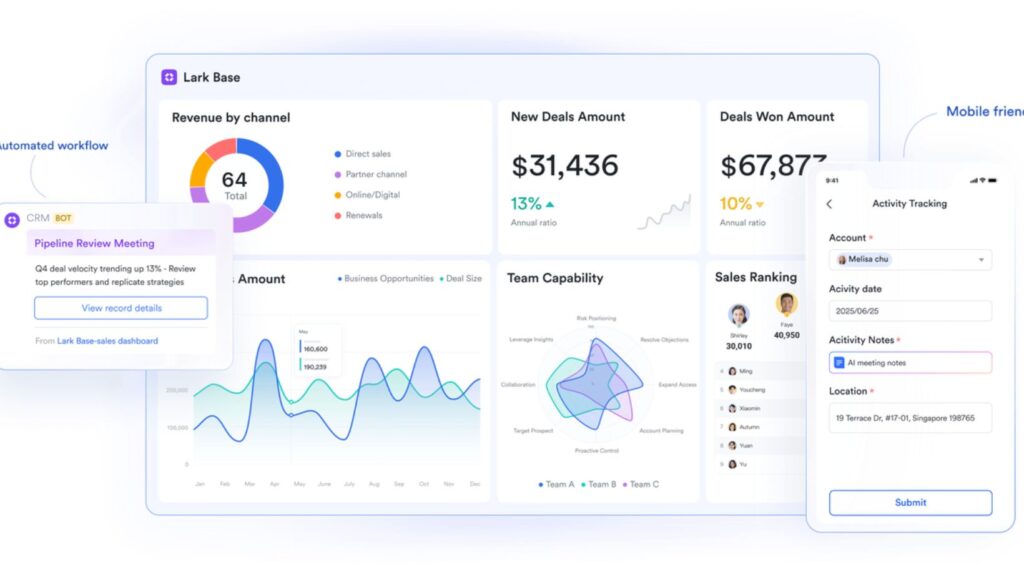
Lark Base replaces this fragility with a central environment where workflows are managed as structured data. Teams create views—Kanban boards, tables, or timelines—that suit their needs, but all share the same reliable source of truth. Data is not only recorded but also analyzed, helping teams learn which processes work and which don’t.
This aligns closely with the principles of business process management software, where workflows are designed for clarity, consistency, and improvement. By capturing and connecting operational data, Base ensures that every task completed adds to the organization’s collective intelligence.
Lark Tasks: making accountability visible while feeding into knowledge
Tasks remain essential for execution, but in a knowledge-driven workplace, they also become records of accountability and process. Each task shows ownership, deadlines, and status, but more importantly, it feeds into a larger system.
In Lark, Tasks aren’t isolated checklists. They connect to projects in Base, link to Docs for context, and integrate with Calendar for scheduling. This connection ensures that once a task is finished, its impact doesn’t disappear. Instead, it contributes to a broader picture of performance, supporting continuous learning and improvement. Accountability becomes not just about delivering on time but about contributing knowledge to the team.
Lark Messenger: turning conversations into documented insights
Much of a company’s knowledge is relayed through conversation—questions answered in chat, snap decisions made in messages. If you do not have the tools to help make these exchanges discoverable, the knowledge disappears in scrolling thread, making it useless later.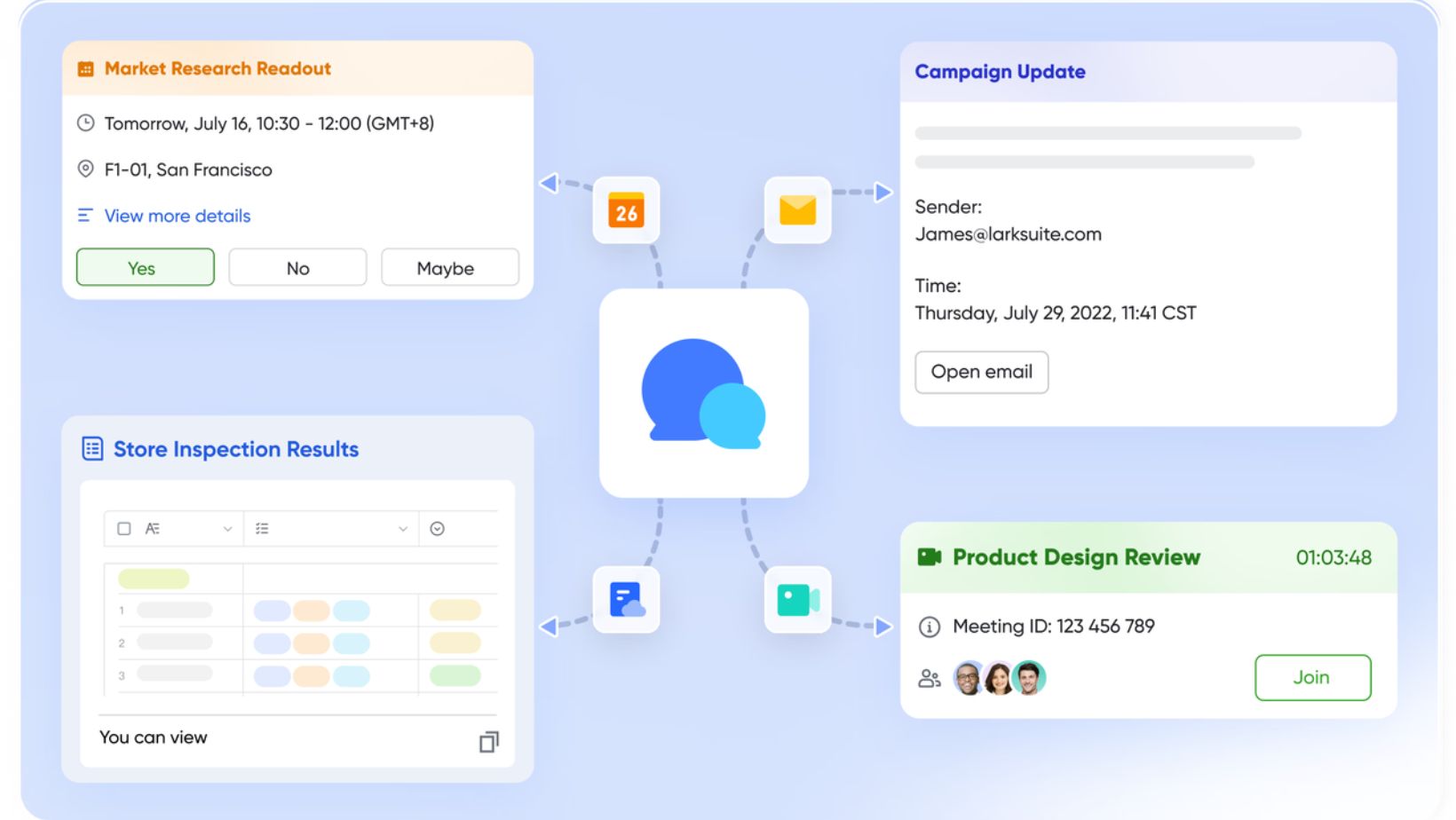
Lark Messenger, is designed to combine communication and workflow. You can pin key conversations, reference them, and even convert them into tasks or to-dos to ensure they don’t simply disappear. Additionally, the links to Docs or Base records provide context and connect conversations with formalized knowledge systems. Over time, Messenger will not only be a space for conversation but also a source of insights that are purposely captured and applied.
For teams that are moving beyond managing activity around work toward recognizing the value of preserving communication, this ability is significant.
Lark Calendar: mapping knowledge into time and priorities
Deadlines might drive execution, however priorities drive knowledge. When teams are not aligned on timelines with shared visibility, they run the risk of causing operational inefficiencies stick to the original deadlines, missing strategic objectives, coding quality issues, and scheduling conflicts personally and departments.
Lark Calendar embeds timelines into the wider workflow, allowing tasks to flow into calendars and linking the project milestones from Base with the organizational priorities necessary to manage a schedule. Calendar can retain links to Docs and Tasks within meetings planned, preserving discussion context as teams work towards deadlines. From the lens of knowledge-centric work, this means schedules are not just dates, they become integrated as part of the living system of priorities and subject matter expertise.
Lark Meetings: documenting discussions into knowledge assets
Meetings are integral to producing the most important decision points, and insights generated therein become meaningless without an appropriate capture mechanism. Employees may depart the meeting with different interpretations or understandings, and team members who are absent miss key context.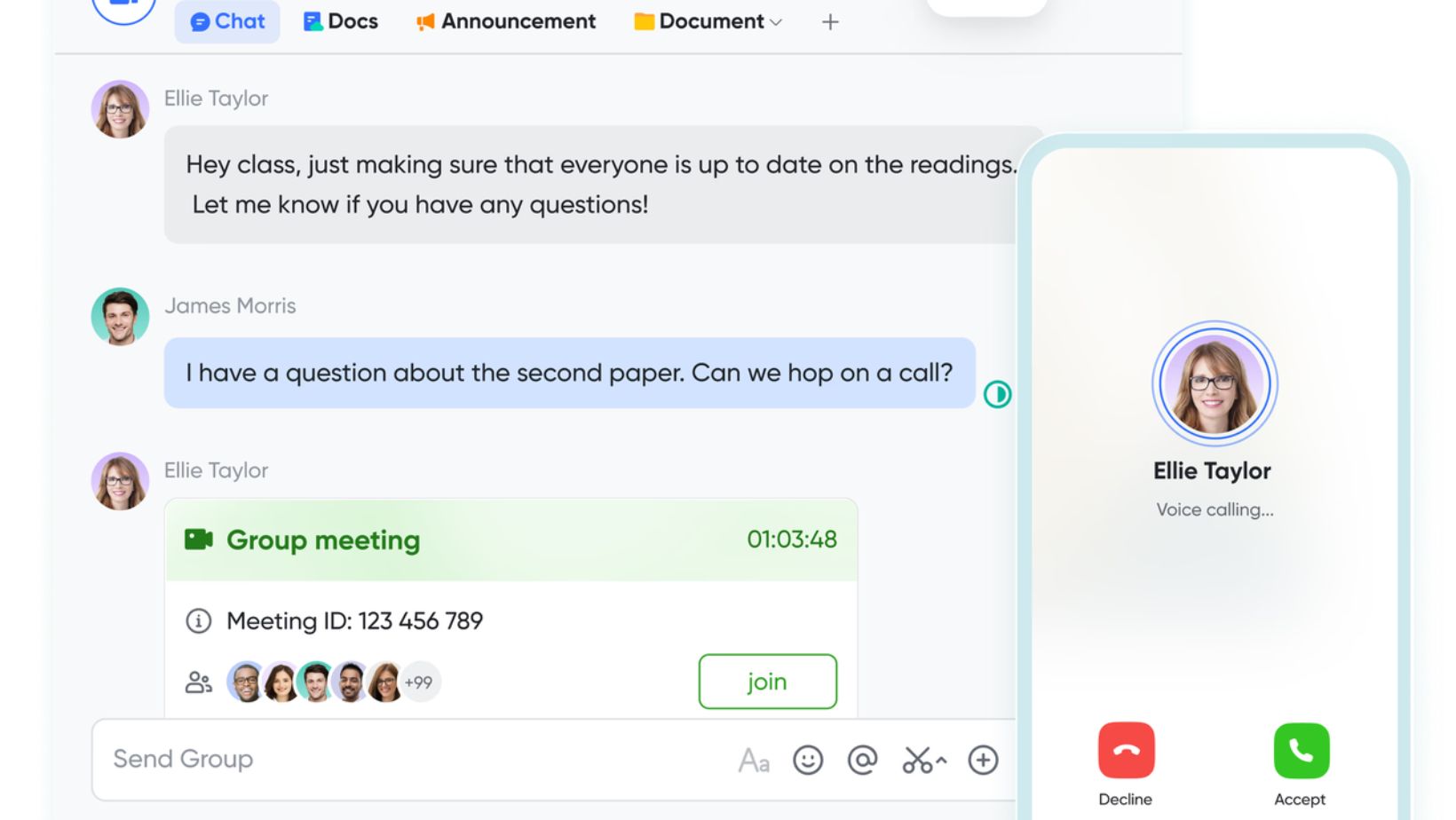
This is where Lark Meetings is beneficial – it records outcomes in real-time. AI-generated notes summarize meeting discussions, document action items, and save transcripts to the Lark Docs. All of these materials can be shared in Lark Messenger, or linked to a task, ensuring decisions percolate into the workflow process. Over time, meeting outputs will eventually come to form knowledge assets that bring context to future work, building an organizational memory.
Conclusion
In 2025, the organizations that succeed will be those that shift from managing tasks alone to managing knowledge as their core resource. Tasks still matter, but without knowledge, they stand in isolation. Knowledge creates the continuity that allows teams to build on progress rather than restart from scratch.
Lark enables this shift by weaving knowledge capture into every stage of the workflow. Docs and Wiki transform outputs into references, Base structures workflows into insight, Tasks create accountable records, Messenger preserves conversational knowledge, Calendar aligns priorities, and Meetings document decisions. Together, these features ensure that execution and learning move hand in hand.
To extend this transformation, companies can connect internal knowledge with external relationships by adopting a CRM app. When knowledge captured inside the organization also shapes customer interactions, businesses build not only efficiency but also trust. That is the true measure of success in a knowledge-driven era.