
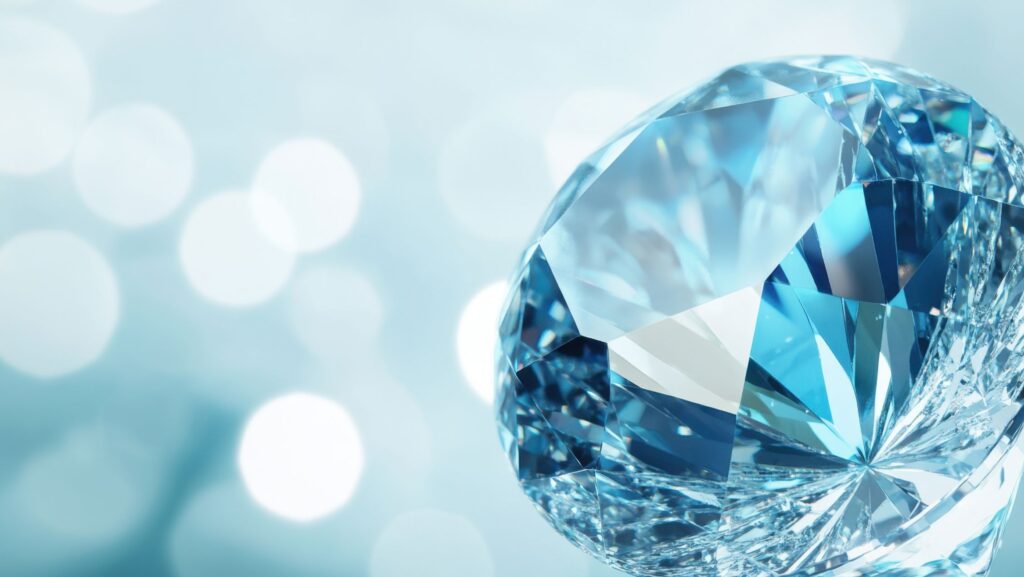
The mesmerizing allure of blue diamonds has captured imaginations for centuries. From the legendary Hope Diamond to modern celebrity engagement rings, these rare gems represent the pinnacle of luxury. However, with natural blue diamonds commanding prices that can exceed several hundred thousand dollars per carat, owning one remains a distant dream for most. The good news? A world of beautiful blue alternatives exists at every price point, allowing anyone to enjoy that captivating azure sparkle.
Understanding Your Options
Before exploring alternatives, it helps to understand why natural blue diamonds carry such astronomical prices. Their color comes from trace boron atoms trapped during formation deep in the Earth’s mantle—a geological accident that occurs incredibly rarely. This scarcity, combined with high demand, creates a seller’s market where exceptional specimens routinely break auction records.
Fortunately, modern technology and the natural diversity of gemstones provide numerous pathways to blue brilliance. Each alternative offers its own advantages, whether measured in durability, affordability, ethical considerations, or aesthetic uniqueness. Understanding these options empowers buyers to make informed decisions aligned with their priorities and budgets.
Lab-Grown Blue Diamonds: The Identical Twin
For those who want genuine diamond properties without the natural diamond price tag, lab-grown blue diamonds present the most compelling option. These stones are real diamonds in every measurable way—same crystal structure, same hardness, same optical properties. The only difference lies in their origin: weeks in a laboratory rather than millions of years underground.
Lab-grown blue diamonds typically cost 50 to 70 percent less than their natural counterparts of equivalent quality. A stunning one-carat lab-grown blue diamond might cost between $2,000 and $5,000, compared to $50,000 or more for a natural stone. This dramatic price difference allows buyers to afford larger stones or higher quality grades within their budgets.
Beyond affordability, lab-grown diamonds appeal to environmentally and ethically conscious consumers. These stones require no mining, reduce environmental disruption, and eliminate concerns about conflict diamonds. For many modern buyers, these considerations carry as much weight as financial factors.
Blue Sapphires: The Classic Alternative
Long before blue diamonds captured public imagination, blue sapphires held the title of most desirable blue gemstone. These corundum gems offer exceptional durability—ranking 9 on the Mohs hardness scale, just below diamonds—making them excellent choices for everyday wear. Their rich, velvety blue tones have graced royal jewelry collections for millennia.
Quality blue sapphires range widely in price depending on origin, color saturation, and treatment history. Kashmir sapphires, prized for their cornflower blue color and velvety appearance, can rival natural blue diamonds in cost. However, beautiful Ceylon or Australian sapphires offer excellent value, with fine one-carat stones available between $1,000 and $3,000.
The variety within blue sapphires provides remarkable flexibility. Lighter stones offer a delicate, feminine appearance, while deeply saturated royal blues make bold statements. Parti-colored sapphires displaying multiple hues appeal to those seeking truly unique gems.
Blue Topaz: Affordable Elegance
Blue topaz represents perhaps the most budget-friendly path to blue gemstone ownership. Available in several shades—from pale sky blue to deeper Swiss and London blue varieties—topaz offers genuine gemstone beauty at remarkably accessible prices. Large, eye-clean stones can be purchased for under $100 per carat, allowing for dramatic statement pieces without significant financial commitment.
While topaz lacks the prestige of diamonds or sapphires, its physical properties make it suitable for jewelry wear. Rating 8 on the Mohs scale provides adequate scratch resistance for rings and pendants. The gem’s excellent clarity and lively brilliance ensure it catches light beautifully in any setting.
For those entering the colored gemstone world or seeking affordable everyday jewelry, blue topaz provides an excellent starting point. Its low price allows experimentation with different cuts and settings without major financial risk.
Aquamarine: The Sea-Inspired Gem
Aquamarine, named for its ocean-like color, offers a softer, more ethereal blue than most alternatives. This beryl variety—cousin to emerald—displays a transparent, light blue to blue-green color that evokes tropical waters and clear skies. Its gentle appearance appeals to those who prefer understated elegance over bold statements.
Pricing for aquamarine falls between topaz and sapphire, with fine specimens ranging from $200 to $600 per carat. Larger stones often provide better value, as the lighter color becomes more visible at greater sizes. Eye-clean specimens are readily available, ensuring excellent transparency and light play.
Aquamarine’s relative hardness of 7.5 to 8 makes it suitable for most jewelry applications, though some care should be taken with rings to avoid hard impacts. Its romantic associations with the sea and its traditional status as the March birthstone add sentimental value for many buyers.
Tanzanite: The Modern Discovery
Discovered only in 1967 in Tanzania, tanzanite has rapidly become one of the most sought-after colored gemstones. Its distinctive violet-blue color, caused by trace vanadium, appears differently depending on viewing angle and lighting conditions. This pleochroism creates a shifting, dynamic appearance that many find more interesting than static blue stones.
Tanzanite offers excellent value relative to its beauty, with fine one-carat stones available between $400 and $700. However, the gem’s relative softness—6 to 7 on the Mohs scale—limits its suitability for everyday rings. Earrings, pendants, and occasional-wear pieces showcase tanzanite’s beauty while protecting it from damage.
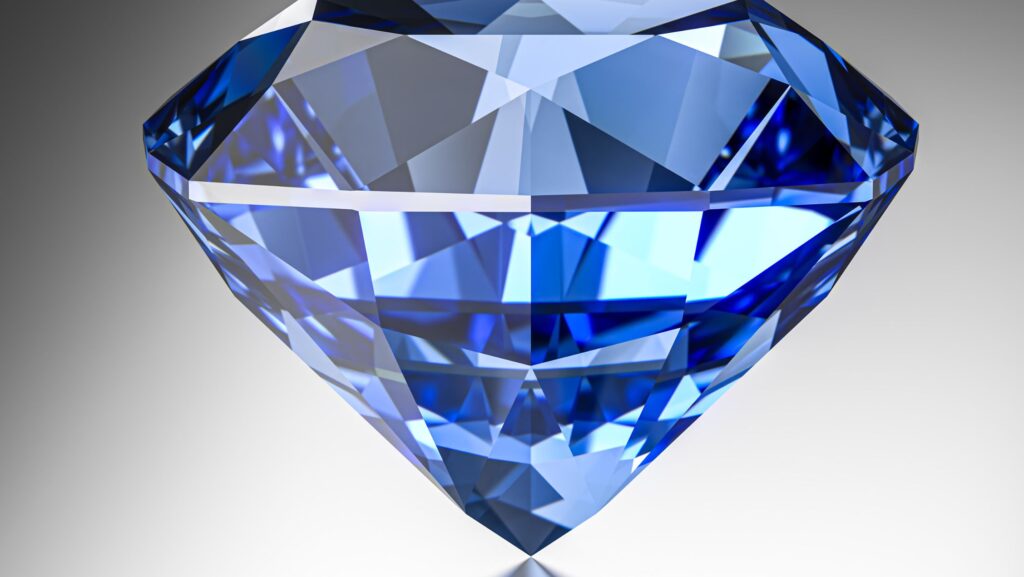
The finite nature of tanzanite’s single-source deposit has sparked collector interest, with some predicting future price appreciation as supplies dwindle. Whether this speculation proves accurate, tanzanite’s unique beauty justifies consideration for any blue gemstone collection.
Making Your Choice
Selecting among blue diamond alternatives requires balancing multiple factors: budget, durability requirements, color preferences, and personal values. Those prioritizing durability for everyday wear should consider lab-grown blue diamonds or sapphires. Budget-conscious buyers might start with topaz or aquamarine before graduating to pricier options.
Ethical considerations increasingly influence purchasing decisions. Lab-grown stones eliminate mining concerns entirely, while some natural gemstones come with documented ethical sourcing. Buyers should feel empowered to ask questions about origin and treatment when purchasing from reputable dealers.
Ultimately, the best blue gemstone is the one that brings you joy within your means. Whether it is a modest blue topaz pendant or a substantial lab-grown blue diamond engagement ring, these stones share one essential quality: the power to capture and reflect light in ways that have fascinated humans throughout history. That magic belongs to everyone, regardless of budget.