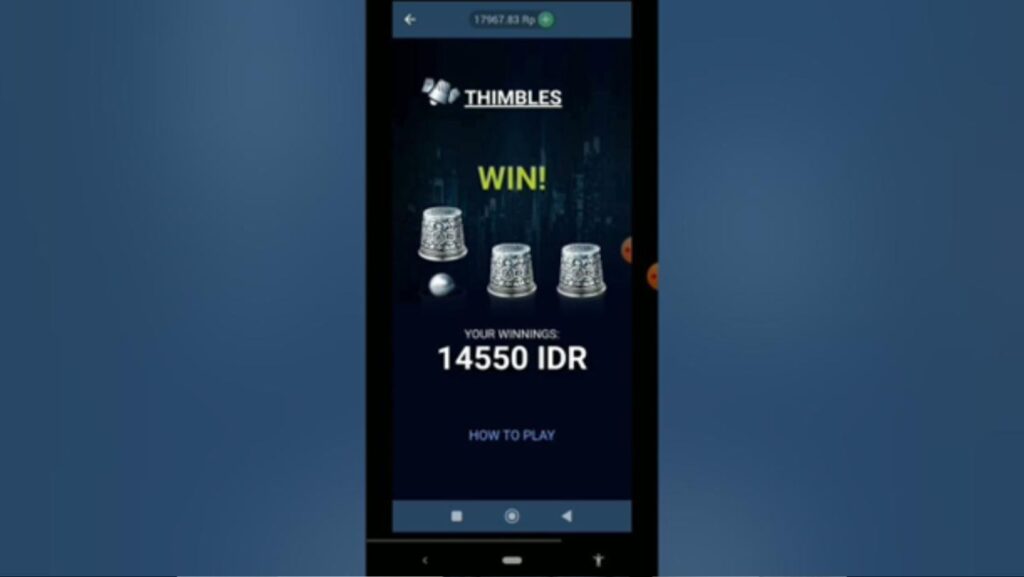
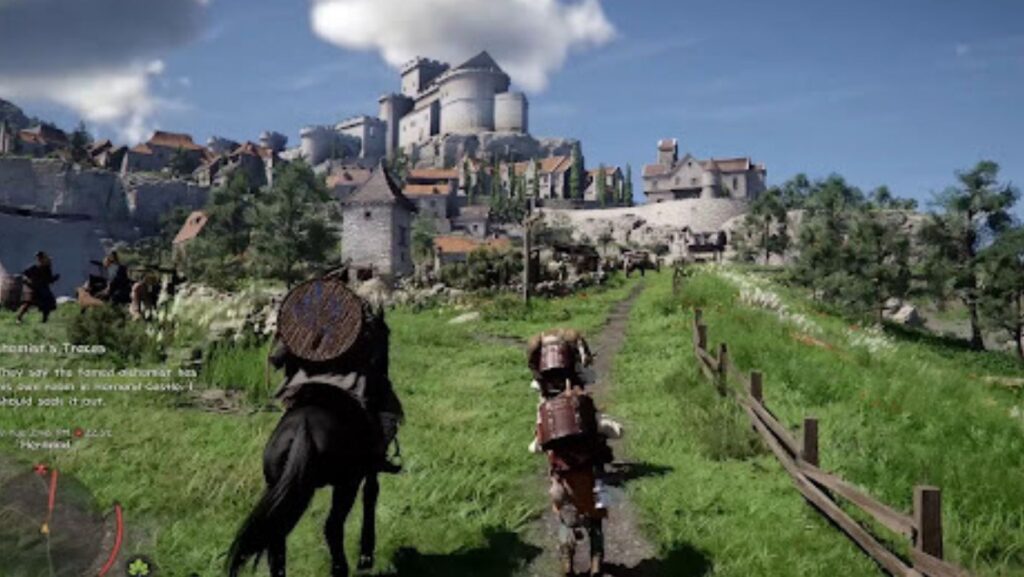
Most people have been there. You open something quickly, tell yourself five minutes, and then look up to find half an hour has gone by. You completed a few tasks, hit a milestone, maybe nudged past someone on a leaderboard. Nothing dramatic happened, but somehow leaving felt harder than staying. That is gamification working exactly as intended, and the developers behind it have spent years getting very good at it.
Strip it back and the concept is not complicated. Borrow the mechanics that make games difficult to walk away from, points, progression, challenges, rewards, competition, and apply them somewhere else. The aim is never to turn a banking app or a fitness tracker into an actual game. It is something subtler than that: replicate the feeling that keeps people playing, the sense that something is always just within reach, and transplant it into a context where staying engaged has real value for the platform.
That logic has found its way into almost every corner of digital life. Learning a language, tracking a run, managing money, watching content. Wherever you find users who need to build a habit or return repeatedly to get value, gamification tends to show up sooner or later. And it tends to work: gamified products generally see stronger retention, more frequent use and a more emotionally invested user base than their non-gamified equivalents.
What The Good Designers Are Actually Doing
There is a version of this that looks cynical, just a bag of tricks to keep people hooked. But the developers who do it well are thinking about something more specific than that. They are thinking about what makes a person choose to do something again, and what makes them stop.
Mihaly Csikszentmihalyi’s work on flow sits somewhere near the centre of all this. The idea is that people perform best and feel most engaged when the difficulty of what they are doing matches their current level of skill. Too easy and boredom kicks in. Too hard and frustration takes over. The sweet spot between those two things is where good gamification tries to keep you, and hitting it consistently is a lot harder than it sounds.
Ukie has flagged player-centred design as a growing priority for development teams across the UK, and the reasoning is not complicated: products built around what users actually want tend to keep those users around longer.
Gamification In Digital Entertainment And Online Play
If you want to see gamification taken seriously as a design discipline, online entertainment is a good place to look. Online casinos have been at this longer than most, and some of them have gone quite deep into it. Jasminslots, a platform aimed at users in the UK, is a reasonable example: alongside the games themselves there are progression systems, themed challenges, loyalty mechanics and enough personalisation that two regular users might have fairly different experiences of the same platform. None of that is decoration. Each element is there because data showed it increased engagement.
What is worth noticing from a design perspective is how these platforms manage complexity without overwhelming new users. Someone arrives knowing nothing about how the site works and, if the gamification is doing its job, figures it out quickly through the experience itself rather than through instructions. That is genuinely hard to pull off.
Personalisation and feedback loops are the two things that separate the more sophisticated systems from the basic ones. A well-built gamified platform does not give every user the same experience. It watches what each person does, notices patterns and adjusts: the difficulty, the pace, the rewards, the type of challenges on offer. A recent piece on player-centred design went into some detail on this, looking at how teams that bring users into the development process early tend to produce products that feel intuitive rather than engineered. Worth looking up if the design side of this interests you.
All of it runs on real-time data. The algorithm watches, adjusts, responds. Done well, the effect is that the platform starts to feel like it knows something about you, and that feeling, even when users are half aware it is constructed, tends to make them more attached to the product. The Interaction Design Foundation describes feedback loops as the most critical single component in any gamified system, and the reason is pretty basic: when an action produces an immediate visible response, people want to keep acting.
Beyond Entertainment
The same principles turn up well outside the leisure sector. Duolingo essentially built its entire model around them. Strava made exercise social and competitive in a way that changed how a lot of people relate to running. Productivity tools use streaks, points and team challenges to shift workplace behaviour. The specific mechanics change depending on context but the underlying question stays constant: what does this particular user actually want, and how do we build something that keeps delivering it?
Artificial intelligence will push personalisation much further than it has gone so far. Future systems will likely adapt in real time across dimensions that current platforms do not even attempt: the visual tone of an interface, the pacing of a narrative, the emotional register of a challenge, all calibrated to a detailed model of individual behaviour. What feels sophisticated today will probably look fairly crude in a few years.
The broader point is that gamification stopped being an experimental add-on a while back. It is a design language now, with its own grammar and conventions, and the people who are fluent in it tend to build things that other people find genuinely hard to leave. In a market where everyone is competing for the same finite attention, knowing how to do that well matters more than almost anything else.