
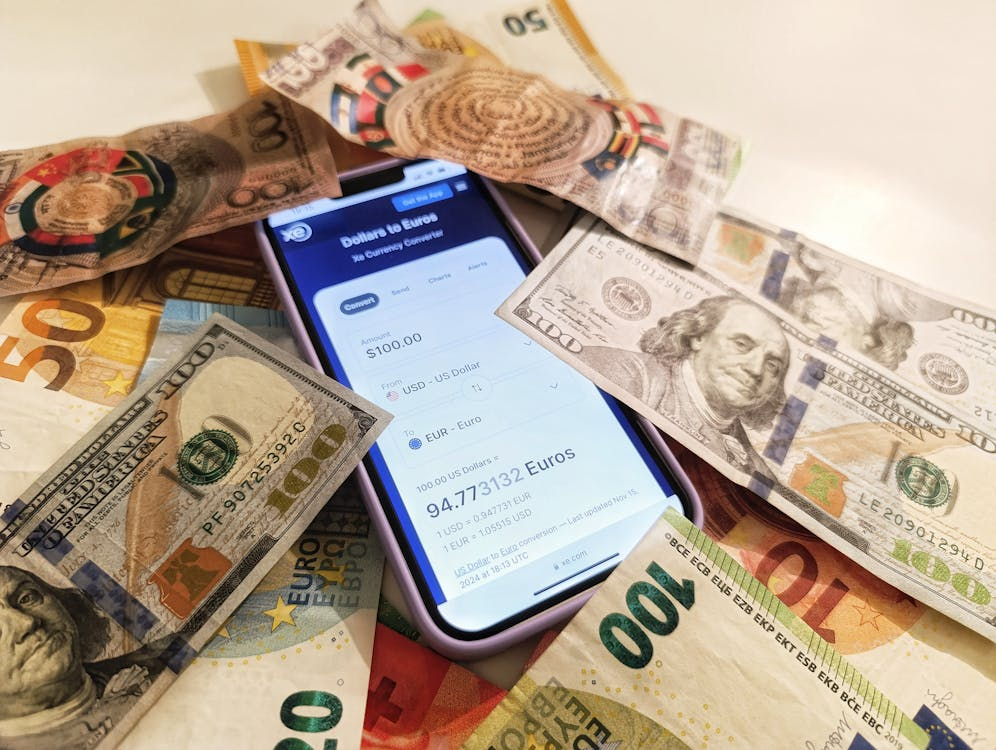
Cross-border transfer costs are quietly draining business profits.
Whether a business is paying overseas suppliers, foreign payroll, or invoices from international partners… transferring funds overseas has always been costly.
And in 2026, it just got more complicated.
The US just launched a new border crossing transfer tax. Businesses who have not switched payment methods are feeling that hit NOW.
Here’s what to know about the changes, why they’re important, and how fintech platforms empower savvy businesses to prepare for it.
Here’s What’s Inside:
- Why International Transfer Costs Keep Rising
- What the Cross-Border Transfer Tax Actually Means
- How Fintech Platforms Are Beating the System
- The Best Strategies to Cut Cross-Border Costs Now
Why International Transfer Costs Keep Rising
Here’s the hard truth…
The worldwide median cost to send $200 abroad hit 6.49% in Q1 2025, World Bank figures show. That’s over twice the United Nations’ Sustainable Development Goal of 3% by 2030.
And it’s even worse for businesses using traditional banks.
Banks average 9.50% per transfer while digital providers average just 3.65%. That gap is massive. Fees on a $10,000 international payment sent through a bank could be close to $600 more than the same payment sent through a fintech platform.
Pretty eye-opening, right?
Cross-border payments are big business — worth US$212.55 billion in 2024 alone and projected to hit $320.73 billion by 2030. Size doesn’t always come cheap though. Regulatory costs are adding up quickly for businesses these days.
What the Cross-Border Transfer Tax Actually Means
Here’s the thing most businesses haven’t planned for…
Starting January 1, 2026, the United States enacted a shiny new 1% excise tax on certain outbound funds transfers. Called the One Big Beautiful Bill Act, this tax applies only to cash-funded outbound wire transfers (money orders, cashier’s checks, etc.).
Understanding what falls under the us remittance tax 2026 is important because the cross-border transfer tax only applies to how money is being sent — not who is sending it. Businesses that pay international vendors through cash-based channels fall under the tax. Businesses that use digital, electronic, or card-based transfers don’t pay it at all.
That’s not a small detail.
The tax is remitted by the transfer provider when the transfer occurs. If a business hasn’t thought about changing its payment methods yet, it is already paying this tax… silently, one transfer at a time.
The new cross-border transfer tax will also raise nearly $10 billion in federal revenues over the decade. It’s not going anywhere.
How Fintech Platforms Are Beating the System
This is where the opportunity is.
FinTech services have been creating solutions to the very problem banks created for the past decade. Enter the new international transfer tax. They couldn’t be more helpful.
Here’s why they have the advantage:
- Lower base fees: Digital fintechs average only 3.65% per transaction compared to 9.50% among banks
- Designed to be tax-exempt: Electronic and account-based transfers are exempt from the 1% excise tax
- Real-time transfers: Many fintech platforms settle international payments in hours — not days
- Full cost transparency: Bank wire fees can be hidden on bank statements, but fintech services disclose the entire cost before processing
Online channels made up 61% of global remittance transactions worldwide — compared to 12% in 2017. The shift to digital has been happening for years. But the new cross-border transfer fee just catapulted it forward.
Businesses that move to online global payment platforms aren’t just cutting fees. They are creating a payment infrastructure that will be permanently outside the new excise tax. That’s a future benefit, not just a current savings.
The Best Strategies to Cut Cross-Border Costs Now
Ready to take action? Here’s tips on exactly what to do…
Switch to Digital Transfer Methods
The easiest way to avoid the new cross-border transfer tax is to simply cease using cash-funded payment methods for transfers abroad. Bank-to-bank electronic wires, debit card transactions, and account-to-account fintech solutions are all outside the scope of the 1% excise tax.
It’s a zero-cost change that starts saving money from the very first transaction.
Traveling internationally to manage these payments? An eSIM app can save on roaming costs the same way fintech saves on transfer fees — instant local data, no SIM swapping required.
Choose a Specialist Fintech Platform
Generalist banks were never designed for cross-border payments. Cross-border payment fintech platforms were. It shows in the fees charged — and the exchange rates imposed on each transaction.
Switching to a dedicated international payment platform gives businesses access to:
- Narrow FX margins on currency conversion
- Transparent, flat fees instead of hidden charges
- Multi-currency accounts for holding and paying in local currencies
- Faster settlements that improve cash flow
That combo costs a lot less than routing the same transfers through a conventional bank — and completely avoids the cross-border transfer tax at the same time. Making money management easier than ever.
Audit All International Payment Methods
Companies are unknowingly paying today with products and services that fall into the new excise tax trap. A five-minute audit will reveal ways to save today.
Run through these questions:
- Are any international payments being made via money orders or cashier’s checks?
- Which vendors currently receive cash-instrument payments?
- Can those be migrated to electronic or card-based transfers immediately?
This review should take place prior to Q1 2026 to allow sufficient time to identify any exposures.
Consolidate Transfers Where Possible
Sending several small payments to the same person is more expensive than sending one lump sum. Some fintech companies charge lower FX margins on higher transfer volumes — meaning grouping payments to the same seller saves on fees AND administrative burden.
That’s the Bottom Line
Skyrocketing international transfer fees are one of the least considered expenses eating away at company profits. Thanks to the new international transfer tax they can’t be ignored.
Companies that move quickly will have a genuine cost advantage over those who don’t.
Fintech platforms allow international payments to be faster, cheaper, and completely tax-free compared to using traditional banks. Auditing existing payment methods, transitioning to online platforms, and consolidating transfers are the 3 best options for saving money starting NOW.
The money saved stays in the business where it belongs.