
Walk into any hospital, long-term care facility, or rehabilitation center, and you’ll often find the people doing some of the most important work are the ones in scrubs, moving quickly between rooms. Nursing assistants, also known as certified nursing assistants (CNAs), are the backbone of patient care.
They’re the ones answering call bells at 2 a.m., helping patients eat breakfast, providing comfort during scary medical moments, and noticing the small changes in a patient’s condition that can make the difference between recovery and decline.
Despite their essential role, nursing assistants often fly under the radar in conversations about healthcare. The doctors get the headlines and the nurses get the procedural respect, but the CNAs are the ones spending the most actual time with patients. Ultimately, the quality of patient care depends enormously on the work they do every single shift.
Here’s a closer look at what nursing assistants do and why their role matters so much.
Daily Patient Care That Keeps Everything Running
The most visible part of a nursing assistant’s job involves direct, hands-on patient care. Bathing, dressing, feeding, helping patients move from bed to chair, assisting with bathroom needs, and providing the basic physical care that patients can’t manage on their own.
This work is physically demanding and emotionally significant. Helping someone bathe when they can’t do it themselves is intimate work. It requires dignity, patience, and the kind of human warmth that can’t be faked. The best nursing assistants understand that these moments aren’t just about completing tasks. They’re about preserving the patient’s sense of self during a vulnerable time.
For elderly patients, post-surgical patients, and those dealing with chronic illness, having a skilled and kind CNA can be the difference between a hospital stay that feels traumatic and one that feels manageable.
Monitoring and Reporting
Nursing assistants are often the first people to notice when something is wrong with a patient. They’re the ones in the room frequently, observing patients during routine care, and they develop a sense of what’s normal for each person on their floor.
A small change in skin color, a slight increase in confusion, a reduced appetite, or a change in breathing pattern are the types of subtle signs that nurses and doctors might miss because they’re not constantly in the room. CNAs catch these things and report them up the chain, often triggering interventions that prevent serious complications.
This observational role is one of the most underappreciated aspects of the job. CNAs are providing the critical eyes and ears that make the entire care team more effective.
Vital Signs and Basic Health Tracking
Most nursing assistants are trained to take and record vital signs: blood pressure, temperature, pulse, respiratory rate, and sometimes blood glucose levels for diabetic patients. These measurements are taken multiple times per shift on most patients, and the data feeds directly into the care decisions made by nurses and doctors.
In modern healthcare facilities, this information is often entered into integrated systems, where care teams can access it in real time. Many clinics and care facilities rely on clinic management software to streamline charting, scheduling, and online booking. The technology helps ensure that the information CNAs gather actually reaches the people who need it, when they need it.
Accurate vital signs documentation might seem routine, but it’s actually one of the most important data streams in patient care. Trends in vital signs reveal everything from infection development to medication side effects, and CNAs are the frontline collectors of that data.
Communication With Patients and Families
Nursing assistants often serve as the primary point of contact between patients and their families. They’re in the room when family members visit, they answer questions about what’s happening day-to-day, and they often provide the kind of emotional support that families desperately need during stressful medical situations.
This communication role can be especially significant for patients who can’t advocate for themselves. Patients with cognitive impairments, language barriers, or simply the overwhelm of being seriously ill often rely on their CNAs to relay concerns and preferences to the rest of the care team.
Good nursing assistants build real relationships with their patients. They learn names, preferences, fears, and small details that make a huge difference in the quality of care. These small bits of knowledge transform care from mechanical to truly personal.
Mobility and Physical Therapy Support
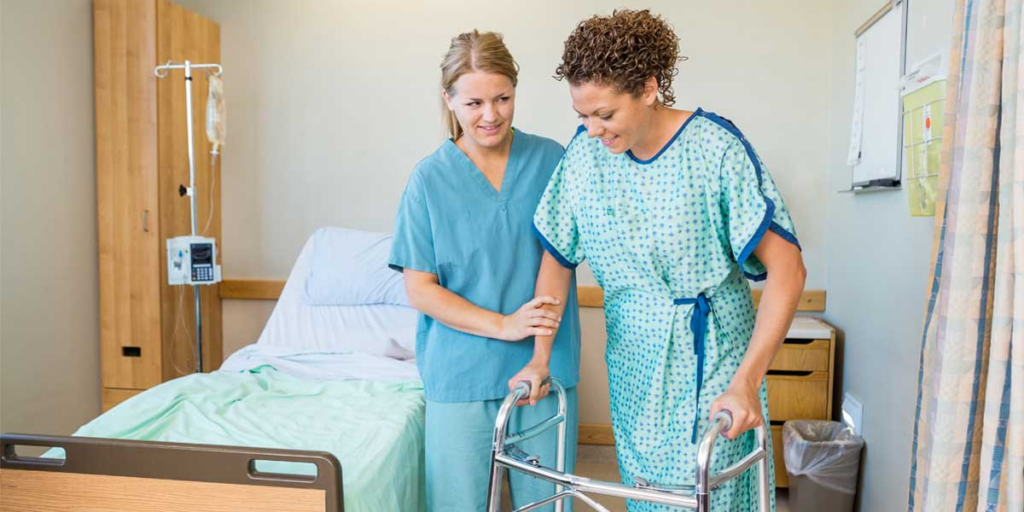
Helping patients move is a huge part of the nursing assistant’s daily work. This includes assisting with walking, helping patients transfer between bed and wheelchair, repositioning bed-bound patients to prevent pressure sores, and supporting basic physical therapy exercises.
Mobility work is critical for recovery and overall health. Patients who don’t move enough develop complications, including pneumonia, blood clots, muscle atrophy, and bed sores. CNAs are the ones ensuring patients receive the regular movement they need, often coordinating with physical and occupational therapists to support broader recovery goals.
This work also requires significant physical skill and safety awareness. The improper transfer of a patient can injure both the patient and the CNA. The best nursing assistants develop expert-level skills in body mechanics and assistive techniques.
Emotional Support and Companionship
Sometimes the most important thing a nursing assistant does isn’t medical at all. It’s just being present. Sitting with a scared patient before surgery, holding the hand of someone receiving difficult news, and listening to an elderly patient share stories about their grandchildren might not appear in care plans, but they shape the patient experience.
Hospital and long-term care settings can be deeply lonely. CNAs are often the friendliest, most consistent human presence patients encounter during their stays. That presence has real therapeutic value, even when it doesn’t look like traditional medical care.
The Backbones of Healthcare
Nursing assistants don’t get the glory, but they do get the results. Patients heal faster when they feel cared for. Families experience less stress when they trust the people looking after their loved ones. Healthcare facilities run more smoothly when CNAs perform their duties effectively.
The next time someone in scrubs helps a family member or friend, take a second to recognize what’s actually happening. That work is harder than it looks, more important than it gets credit for, and essential to the way healthcare functions every single day.