
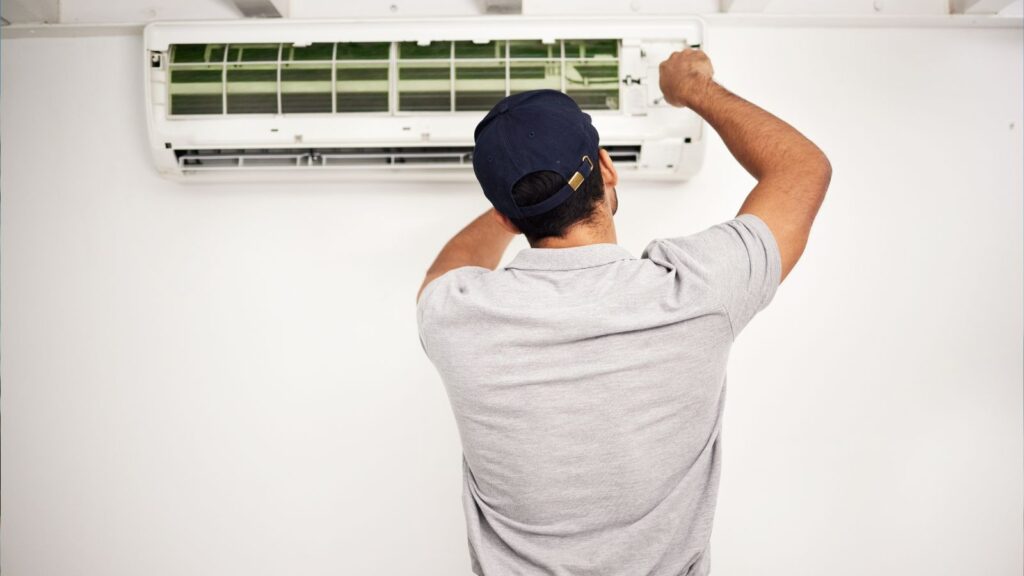
Your air conditioner is one of the hardest-working systems in your home, especially during the summer months when temperatures soar and indoor comfort depends on reliable cooling. Like any mechanical system, an air conditioner experiences wear and tear over time. The good news is that most major HVAC failures don’t happen without warning. In many cases, your AC will show signs of trouble long before a complete breakdown occurs. Learning to recognize these warning signs can help homeowners address minor issues early and avoid costly repairs later.
One of the smartest ways to protect your cooling system is by understanding the early indicators of potential problems and scheduling professional AC Repair services when needed. Small issues such as reduced airflow, unusual sounds, rising energy bills, or inconsistent temperatures may seem insignificant at first, but they often signal developing problems within the system. Taking action early can prevent more serious damage, extend the lifespan of your equipment, and help maintain a comfortable indoor environment.
Why Early Detection Matters
Many homeowners wait until their air conditioner completely stops working before contacting an HVAC professional. Unfortunately, this approach often leads to higher repair costs and increased inconvenience.
When minor AC problems go unnoticed, they can place additional stress on critical components such as the compressor, blower motor, condenser, and evaporator coils. Over time, this extra strain may cause parts to fail prematurely.
Early detection offers several important benefits:
- Lower repair costs
- Improved energy efficiency
- Longer equipment lifespan
- Better indoor comfort
- Reduced risk of emergency breakdowns
- Lower utility bills
By recognizing warning signs early, homeowners can often resolve issues before they become major expenses.
Watch for Reduced Airflow
One of the earliest indicators of an AC problem is weak airflow coming from your vents.
If your system is running but the airflow feels weaker than usual, there may be an issue affecting performance. Common causes include:
- Dirty air filters
- Blocked vents
- Clogged ductwork
- Failing blower motors
- Dirty evaporator coils
Reduced airflow forces your system to work harder to cool your home. This not only increases energy consumption but also accelerates wear on important components.
Walk through your home periodically and pay attention to airflow from supply vents. If certain rooms feel less comfortable or airflow seems weaker than normal, it may be time for a professional inspection.
Monitor Cooling Performance
Your air conditioner should maintain a consistent indoor temperature. If your home suddenly feels warmer than usual despite the thermostat setting remaining unchanged, there may be a developing issue.
Signs of cooling performance problems include:
- Rooms that won’t cool properly
- Warm air coming from vents
- Longer cooling cycles
- Uneven temperatures throughout the house
These symptoms may indicate refrigerant issues, airflow restrictions, thermostat malfunctions, or failing system components.
Ignoring cooling performance problems can allow the issue to worsen and potentially lead to a complete system failure.
Pay Attention to Unusual Noises
Air conditioners are not completely silent, but they should operate relatively quietly. New or unusual sounds often signal mechanical problems that require attention.
Common warning noises include:
Rattling
Loose screws, panels, or components may create rattling sounds.
Buzzing
Electrical issues, loose wiring, or failing capacitors can produce buzzing noises.
Grinding
Grinding often indicates motor bearing problems or internal mechanical wear.
Squealing
Worn belts or motor issues may cause high-pitched squealing sounds.
Hissing
A refrigerant leak may produce a noticeable hissing sound.
Any unusual noise should be investigated promptly. Addressing the problem early can often prevent more extensive damage.
Keep an Eye on Energy Bills
An unexpected increase in utility bills is often one of the first signs that your air conditioner is operating inefficiently.
Even if your AC appears to be cooling normally, hidden issues may force the system to consume more energy.
Potential causes include:
- Dirty coils
- Refrigerant leaks
- Airflow restrictions
- Aging components
- Thermostat problems
- Duct leaks
Compare your current energy bills to previous years during similar weather conditions. A noticeable increase may indicate the need for professional service.
Watch for Frequent Cycling
Air conditioners naturally cycle on and off throughout the day. However, frequent cycling can indicate a developing problem.
This condition, often called short cycling, occurs when the system turns on and off repeatedly without completing a full cooling cycle.
Common causes include:
- Dirty filters
- Refrigerant problems
- Thermostat malfunctions
- Oversized equipment
- Electrical issues
Short cycling places additional strain on system components and increases energy consumption.
If your AC is constantly starting and stopping, it is important to identify the cause before significant damage occurs.
Check for Excess Humidity
Your air conditioner does more than cool the air—it also removes moisture from your home.
If indoor humidity suddenly increases, your cooling system may not be functioning properly.
Signs of excess humidity include:
- Sticky indoor air
- Condensation on windows
- Musty odors
- Damp surfaces
Humidity issues can result from:
- Refrigerant problems
- Dirty coils
- Airflow restrictions
- Improper system sizing
In addition to affecting comfort, excess moisture can contribute to mold growth and indoor air quality concerns.
Inspect for Water Leaks
Water around your indoor AC unit is never a good sign.
Modern air conditioners produce condensation as they remove humidity from the air. This moisture should drain properly through the condensate system.
Leaks may result from:
- Clogged drain lines
- Cracked drain pans
- Frozen evaporator coils
- Pump failures
Small leaks can quickly become larger problems if ignored. Water damage may affect flooring, ceilings, walls, and surrounding materials.
Inspect your HVAC system periodically and address any signs of moisture immediately.
Look for Ice Formation
Many homeowners are surprised to learn that ice can form on air conditioners during hot weather.
Ice buildup often indicates airflow or refrigerant problems.
Common causes include:
- Dirty filters
- Refrigerant leaks
- Blocked vents
- Blower motor issues
- Dirty coils
If you notice ice on refrigerant lines or coils, turn the system off and contact a professional technician.
Continuing to operate a frozen air conditioner can worsen the underlying problem and increase repair costs.
Be Alert to Strange Odors
Unusual smells coming from your air conditioner often signal developing issues.
Different odors may point to different problems:
Musty Smells
Often caused by mold or mildew growth within the system or ductwork.
Burning Odors
May indicate overheating electrical components or motor problems.
Chemical Smells
Can sometimes suggest refrigerant leaks or electrical issues.
Dirty Sock Odor
Often associated with bacterial growth on evaporator coils.
Persistent odors should never be ignored. Addressing the source promptly helps protect both your HVAC system and indoor air quality.
Evaluate Thermostat Performance
Sometimes what appears to be an AC problem is actually a thermostat issue.
A malfunctioning thermostat may cause:
- Incorrect temperature readings
- Frequent cycling
- Failure to start cooling cycles
- Uneven temperatures
Check thermostat settings regularly and replace batteries if necessary.
If temperatures seem inconsistent or the thermostat behaves erratically, professional evaluation may be needed.
Notice Changes in System Runtime
Pay attention to how long your air conditioner runs during typical weather conditions.
If cooling cycles suddenly become much longer than normal, the system may be struggling to maintain desired temperatures.
Extended runtime can indicate:
- Refrigerant issues
- Dirty coils
- Airflow restrictions
- Duct leakage
- Aging equipment
Longer cooling cycles increase energy usage and place additional stress on HVAC components.
Listen for Outdoor Unit Problems
Many homeowners focus exclusively on the indoor portion of their HVAC system and overlook the outdoor condenser unit.
Warning signs outside may include:
- Loud noises
- Vibrations
- Fan problems
- Visible damage
- Debris accumulation
The outdoor unit plays a critical role in heat removal. Any issues affecting condenser performance can impact the entire system.
Inspect the area regularly and keep vegetation, leaves, and debris away from the unit.
Recognize Electrical Warning Signs
Electrical issues can lead to expensive repairs if left unresolved.
Watch for signs such as:
- Frequent breaker trips
- Flickering lights when the AC starts
- Burning smells
- Buzzing sounds
- System shutdowns
Electrical problems should always be evaluated by qualified HVAC professionals.
Attempting DIY electrical repairs can be dangerous and may worsen the situation.
The Importance of Routine Maintenance
One of the most effective ways to identify AC problems before they become expensive repairs is through routine maintenance.
Professional maintenance appointments typically include:
- Cleaning coils
- Checking refrigerant levels
- Inspecting electrical components
- Testing system performance
- Examining airflow
- Cleaning drain lines
Technicians often identify developing issues before homeowners notice any symptoms.
Regular maintenance not only reduces repair costs but also improves efficiency and extends system lifespan.
How Homeowners Can Perform Basic Monitoring
While professional inspections are essential, homeowners can perform simple monitoring tasks throughout the year.
Monthly checks may include:
- Inspecting air filters
- Checking vents for airflow
- Monitoring utility bills
- Listening for unusual sounds
- Looking for leaks
- Observing thermostat performance
These simple observations can help detect problems early and provide useful information during service appointments.
When to Call an HVAC Professional
Some AC issues may seem minor initially, but it is important to know when professional assistance is necessary.
Contact an HVAC technician if you notice:
- Warm air from vents
- Weak airflow
- Unusual noises
- Water leaks
- Ice buildup
- Rising energy bills
- Excess humidity
- Electrical issues
- Persistent odors
Prompt service often prevents small problems from developing into expensive repairs.
The sooner a technician identifies the issue, the more likely it can be resolved quickly and affordably.
Long-Term Benefits of Early Repairs
Addressing AC problems early provides benefits beyond immediate cost savings.
Homeowners who act quickly often experience:
- Fewer emergency breakdowns
- Lower utility bills
- Improved comfort
- Better indoor air quality
- Longer equipment life
- Greater system reliability
Preventive action almost always costs less than emergency repairs or premature system replacement.
Final Thoughts
Air conditioning systems rarely fail without warning. In most cases, they provide clear signs that something is wrong long before a major breakdown occurs. Reduced airflow, uneven cooling, strange noises, rising energy bills, water leaks, excess humidity, unusual odors, ice buildup, and frequent cycling are all indicators that your system may need professional attention.
By learning how to identify these warning signs early and scheduling timely AC repair services, homeowners can avoid costly repairs, improve energy efficiency, and maintain reliable comfort throughout the cooling season. Regular maintenance, routine monitoring, and prompt action when problems arise are the best strategies for protecting your HVAC investment.
A little attention today can save significant repair costs tomorrow, helping ensure your air conditioner remains dependable when you need it most.