
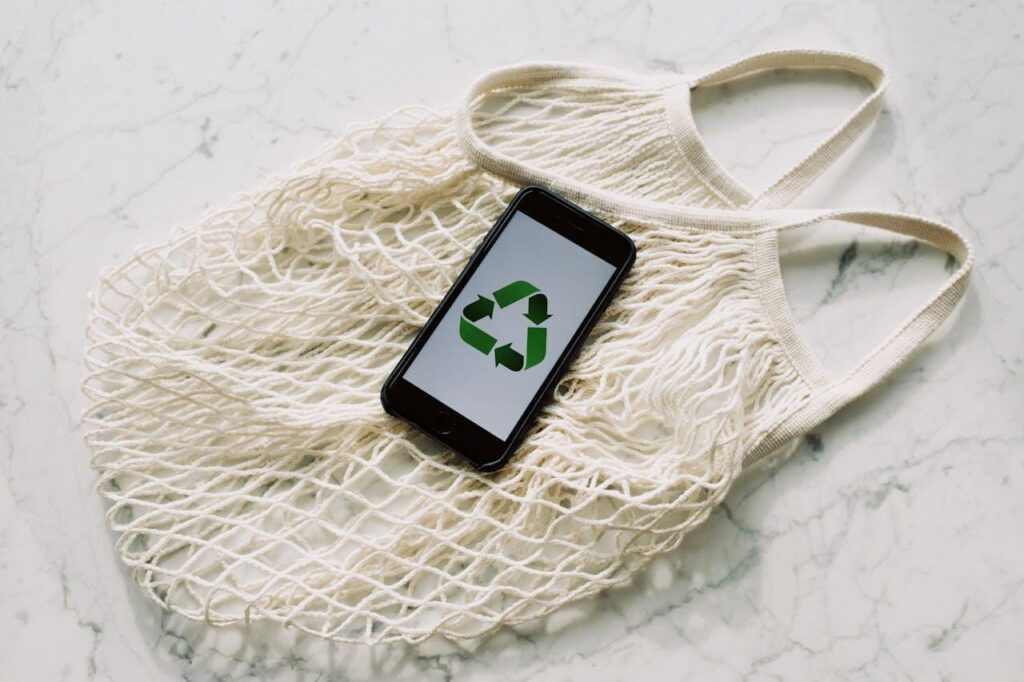
A forgotten phone inside a kitchen drawer rarely feels important. Neither does a cracked tablet sitting beside old charging cables or a laptop pushed into a closet after a replacement was purchased. Across Canada, homes are quietly filling with unused electronics in an out-of-sight-out-of-mind kind of way, while newer devices continue arriving every year.
Technology moves quickly and most people adapt just as fast. Phones are upgraded, smartwatches are replaced and gaming systems are swapped for newer versions long before older devices completely lose function. While innovation keeps advancing, electronic waste keeps building in the background. Many electronics contain metals, plastics and batteries that should not be dumped carelessly because harmful materials can affect soil and water once they reach landfills.
The discussion around modern technology often focuses on convenience and performance. Less attention is given to what happens after devices stop being used regularly. That is where smart tech recycling matters. A discarded device still carries value and when electronics are recycled properly, materials can be reused instead of wasted.
Your Old Devices Are Not As Useless As They Look
Many people keep outdated electronics because they assume the devices no longer have value. A cracked phone may stay untouched for years and an older laptop may be left sitting in storage because nobody knows what should be done with it. In reality, many electronics can still be repaired, refurbished or responsibly recycled.
That shift in thinking has encouraged more consumers to explore recycling and resale options instead of throwing devices away. Visiting a local PayMore store has become one example of how unwanted electronics can be redirected into reuse systems where devices are evaluated instead of discarded immediately. Functional parts can often be recovered even from damaged electronics.
A surprising amount of waste comes from products that still hold usable materials. Screens, batteries and internal components may continue serving a purpose long after the original owner stops using the device. Have old electronics been sitting in drawers simply because disposal felt inconvenient?
For example, a water-damaged smartphone may no longer function properly for daily use, though certain internal parts could still be reused during refurbishment. Another older device with a cracked screen may still operate well enough for resale after repairs are completed. Electronics should not automatically become garbage because one part fails.
The idea behind smart recycling is simple. Devices are kept circulating for as long as possible instead of being abandoned after one stage of use.
The Waste Problem Keeps Growing Quietly
Electronic waste grows faster than many people realize because modern devices are replaced constantly. Phones become outdated within a few years and accessories are upgraded even sooner. Chargers, wireless earbuds and smart home devices are often discarded after minor issues appear.
That cycle creates massive amounts of waste. Many electronics contain materials that require energy-heavy manufacturing before they ever reach store shelves. When those products are thrown away carelessly, valuable resources are lost while environmental pressure increases.
Improper disposal also creates safety concerns. Batteries inside electronics can leak chemicals when damaged. Certain devices contain substances that should not enter regular landfill systems. Once electronics pile up in waste facilities, recycling becomes more difficult and expensive.
Small Recycling Habits Can Make A Big Difference
Many people assume technology recycling requires major effort or technical knowledge. In reality, a few consistent habits can reduce electronic waste significantly.
Some practical steps include:
- Recycling devices through certified electronics programs
- Donating working electronics that are no longer needed
- Repairing damaged devices before replacing them immediately
- Storing old electronics safely until proper disposal is available
- Removing personal data before resale or recycling
- Keeping accessories together to improve reuse potential
These habits help extend the lifespan of products while reducing unnecessary disposal. They also encourage more thoughtful technology use instead of constant replacement cycles.
A Cleaner Future Needs Smarter Technology Choices
Technology will continue evolving quickly and newer devices will always attract attention. The challenge is making those advancements more sustainable instead of allowing waste to grow alongside innovation.
Conversations around sustainability are becoming more common because consumers are paying closer attention to environmental impact. Discussions about making the AI boom more sustainable are also pushing broader conversations about responsible technology use, energy consumption and electronic waste management. Recycling plays an important role within that larger picture.
Manufacturers are facing increasing pressure to improve product lifespan and recycling access. Consumers are also becoming more aware of how purchasing habits influence waste production. Durable devices, repair-friendly products and refurbished electronics are receiving stronger interest because people want technology that lasts longer.
Could technology become both advanced and environmentally responsible at the same time? The possibility depends on how seriously recycling and reuse are treated moving forward.
Refurbishment businesses, recycling centres and resale programs help reduce pressure on manufacturing systems because fewer raw materials are needed when older electronics remain usable. Every repaired device delays unnecessary disposal and helps conserve resources that would otherwise be consumed during new production.
A cleaner future will not depend only on inventing newer technology. It will also depend on managing existing technology more responsibly.
What Gets Recycled Today Shapes Tomorrow
Most electronics are designed to feel temporary. A phone upgrade appears and suddenly the previous model feels outdated. A newer laptop arrives and the older one gets pushed aside. Those habits may seem harmless individually, though millions of discarded devices create a much larger environmental problem when combined.
Smart tech recycling supports a cleaner future because it keeps valuable materials in circulation while reducing unnecessary waste. Electronics contain resources that should be reused whenever possible instead of buried in landfills after short periods of use.
The shift starts with awareness. Devices sitting unused inside drawers, closets and storage bins still carry environmental impact. Recycling, repairing and reusing electronics allow technology to stay useful longer while reducing the pressure created by constant replacement.
Technology will continue changing rapidly and newer devices will continue arriving. Responsible recycling helps make certain that innovation does not come with unnecessary environmental damage attached to it.