
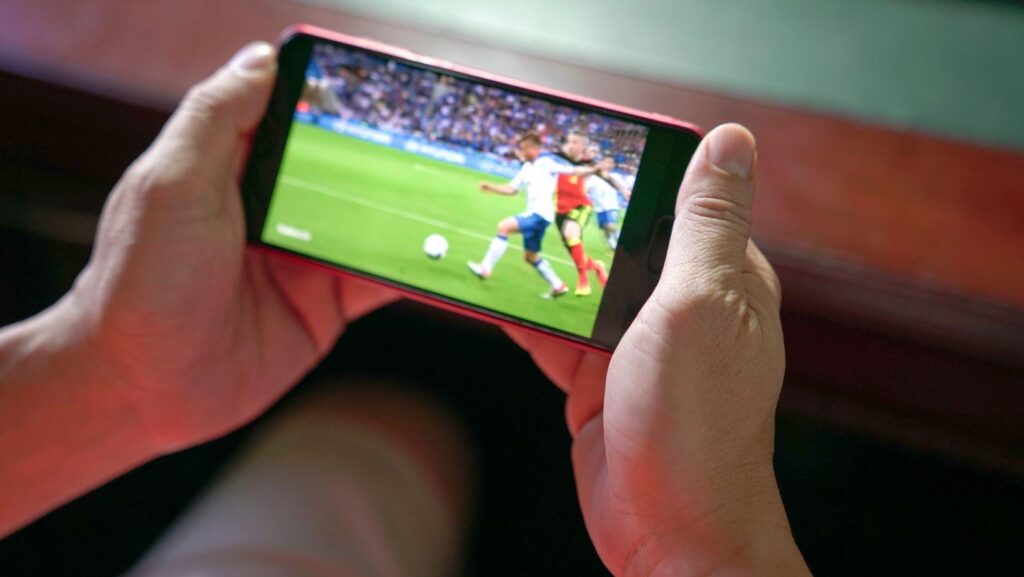
South Africa’s online gaming culture does not feel copied from somewhere else. It has its own shape. Part of it comes from football culture, part of it from mobile phones, part of it from streaming, esports, casino games and the way people fit entertainment into real life. It is not only about sitting down for hours with a console or a gaming PC. For many players, the screen in the hand is the main door in. That changes the whole experience. Online gaming in South Africa has grown around short openings in the day. A quick match. A football bet before kickoff. A mobile game while travelling. A casino game during a quiet evening. A stream running in the background while friends argue about teams, players and what should have happened. It is digital entertainment, but it still feels social.
Football Gives Online Gaming Its Loudest Pulse
Football is one of the big reasons online gaming feels so alive in South Africa. A match is not only watched. It is discussed, predicted, argued over and replayed in people’s heads long after the final whistle. Online casino South Africa fits naturally into that mood because they give fans more ways to stay close to the game. That is where sports betting sits in the culture. It adds another layer to football without replacing the match itself. A fan may still care most about the team, the score and the performance, but betting makes smaller parts of the match feel sharper. Corners, goals, bookings, lineups, momentum, late pressure. Suddenly, the whole match has more edges. This is not only about the biggest fixtures. Even a regular league match can feel bigger when someone has a reason to watch it more closely.
Mobile Play Changed The Audience
The phone has made online gaming more flexible. Not everyone wants a long session. Not everyone has the same device, the same internet setup or the same time. Mobile gaming opened the space to people who want something quick and direct. That matters across different types of gaming. A sports fan can check odds. A casual player can open a simple mobile title. Someone else can follow an esports stream, play a quick casino game or jump between apps while talking to friends. The point is not that every player does the same thing. The point is that the phone makes it easier to move between them. South Africa’s online gaming scene is shaped by that movement.
Casino Games Fit The Private Side Of Play
Online casino games have a different place in the picture. They are usually more private than football betting or esports. A player does not need a crowd, a match day or a group chat. Slots, roulette, blackjack and live games can sit inside a quieter moment. That is part of their appeal. The old casino image was tied to a place. Online casino play is tied more to access and comfort. A player can choose a game, leave, return and move at their own pace. It feels less like entering a room and more like opening a form of entertainment when the time suits. That private side is one reason casino games have become part of the wider online gaming conversation.
Esports Adds Another Kind Of Competition
Esports brings a different energy. It is not about chance. It is not about a referee or a late penalty. It is about skill, reactions, teamwork and pressure. South African players and viewers are part of a global gaming language now, where a match can be followed online even if the teams are thousands of kilometres away. That matters because it gives younger players another model of competition. Gaming is not only something to pass time. It can be watched, followed and taken seriously. Streamers, tournaments and online communities have helped make that shift feel natural.
A Culture That Moves Between Screens
Online gaming in South Africa is not one habit. It is a collection of habits built around access, sport, entertainment and community. Sometimes it is loud, like football. Sometimes it is private, like casino play. Sometimes it is competitive, like esports. But it all belongs to the same digital culture now.