
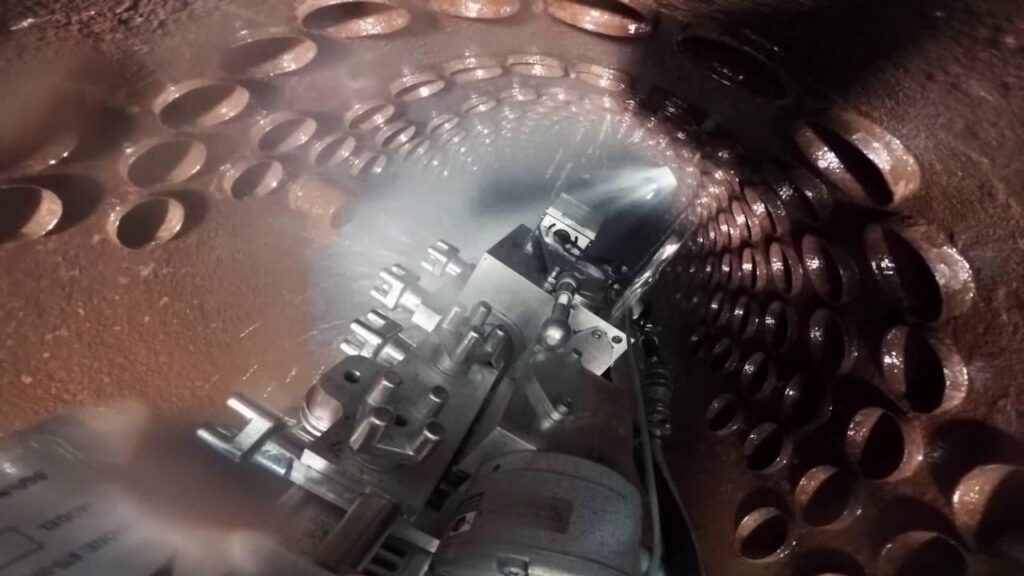
Boiler maintenance is extremely important, and especially so when we are talking about industrial ones that play a huge role in various processes, such as manufacturing, power generation, shipping, food processing, chemical production, and many more. Proper maintenance ensures efficiency, and regular tube cleaning is certainly one of those main maintenance tasks that you will have in this process.
Here is more on boiler cleaning in general: https://www.linkedin.com/pulse/chemical-cleaning-boiler-systems-practical-guide-from-mahesa-thayalan-dmh4c
As you probably understand already, over time, those tubes are sure to accumulate ash, scale, soot, carbon deposits, as well as corrosion buildup. And that will certainly reduce heat transfer efficiency, thus forcing your system to work harder. Therefore, regular cleaning is of utmost importance if you want to ensure the efficiency of the system.
Now, for a very long time, people have been relying on some of those manual cleaning methods, using tools like handheld brushes, scrapers, rods, or using some chemical processes. Today, however, a lot more companies are turning toward mechanical boiler tube cleaning systems as they offer safer, faster, and more efficient maintenance solutions. It is no wonder, thus, that these are becoming increasingly popular in industrial boiler maintenance, given that they reduce labor demands, minimize tube damage, while at the same time improving cleaning consistency and helping lower operational costs.
If you are wondering why it is that mechanical boiler tube maintenance systems are replacing those manual methods, then you have come to the right place. Below, we are going to tell you a bit more about the problems with traditional manual methods, and at the same time, turn towards explaining why those mechanical systems are superior nowadays. So, without any more additional ado, let us get started.
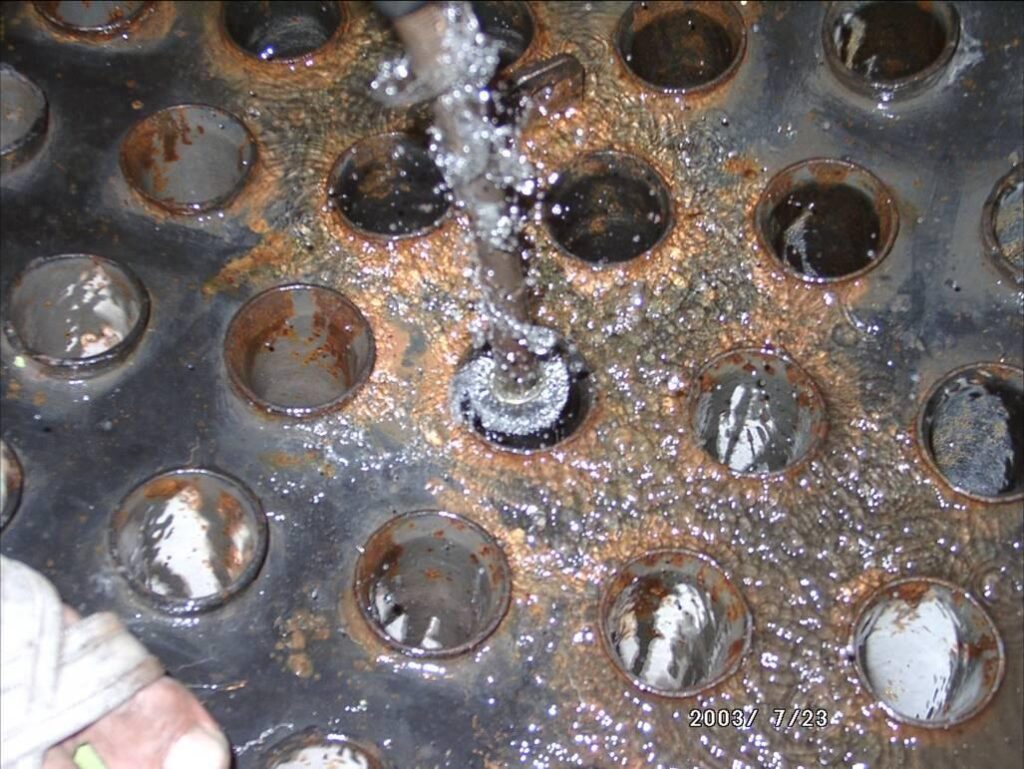
Eliminating the Physical Labor
What is it, thus, that is the problem with the manual methods that have been used for decades? Well, there are several issues with these. For one thing, the manual process is extremely labor intensive, requiring significant manpower, repetitive physical work, long maintenance windows, and, of course, difficult positioning in confined spaces. On the other hand, mechanical systems can automate much of this entire process, thus reducing labor requirements.
Eliminating the Risk of Damaging Boiler Tubes
Moving on, traditional rotating or abrasive tools can definitely wear down tube surfaces as time passes. Those aggressive scraping methods can lead to surface scratching, pipe abrasion, premature tube wear, as well as structural weakening. On the other hand, the Putzmaus boiler tube cleaning systems and similar great ones use non-rotating pulse technology, as well as soft stainless steel brushes that have been designed to reduce the abrasion and material loss. This kind of an approach is sure to extend the lifespan of those boiler tubes, which is a huge plus.
Reducing Downtime
We cannot deny the fact that the manual process takes a lot of time. And, we also cannot deny the fact that downtime can be rather expensive in industrial operations. Thus, when the boilers have to remain offline for extended maintenance procedures, companies can experience delayed operations, interruptions, increases labor costs, as well as reduced facility efficiency. Yet, the mechanical systems are sure to automate much of the process, thus simplifying and speeding up the maintenance process, and that is certainly a key advantage here.
Improving Cleaning Consistency
Another reason why facilities are switching to this option is because of the improved cleaning consistency. In short, manual cleaning quality can vary quite significantly based on technical experience, physical fatigue, time constraints, access limitations and similar. Mechanical systems, however, will provide more consistent cleaning performance across all the tubes, thus ensuring that heat transfer restoration and overall boiler performance is improved.
Creating Safer Working Conditions
On top of all this, we cannot fail to mention safety as another major reason why facilities are moving away from those manual methods and turning towards these mechanical ones. In short, those traditional processes can involve exposure to chemicals, high-pressure cleaning risks, high physical strain, as well as hazardous confined-space work. All of those issues are eliminated with the mechanical systems, which simplify the maintenance process and reduce operator exposure. Put simply, this is the safer option, and that is undeniably something to take into account when trying to decide if you want to switch to this method as well.